
Transportation Two-Way Radios
Powerful Radios for Fleet Logistics
In the transportation and logistics sectors, precise routing and driver coordination are the foundational elements of a profitable operation. Whether you are managing a cross-country trucking fleet, a regional public transit authority, or a localized courier service, dispatchers require an instant, unbroken connection to their vehicles. Implementing professional transportation two-way radios ensures your long-haul drivers, dispatchers, and warehouse logistics managers remain continuously linked under a single, highly reliable network.
At Teltra, we engineer, deploy, and support robust wireless infrastructure customized specifically for the commercial transit industry. From installing localized digital repeaters for regional delivery hubs to configuring nationwide cellular-based networks for interstate freight, we provide the underlying framework that eliminates dead zones and keeps your supply chain moving efficiently and safely.
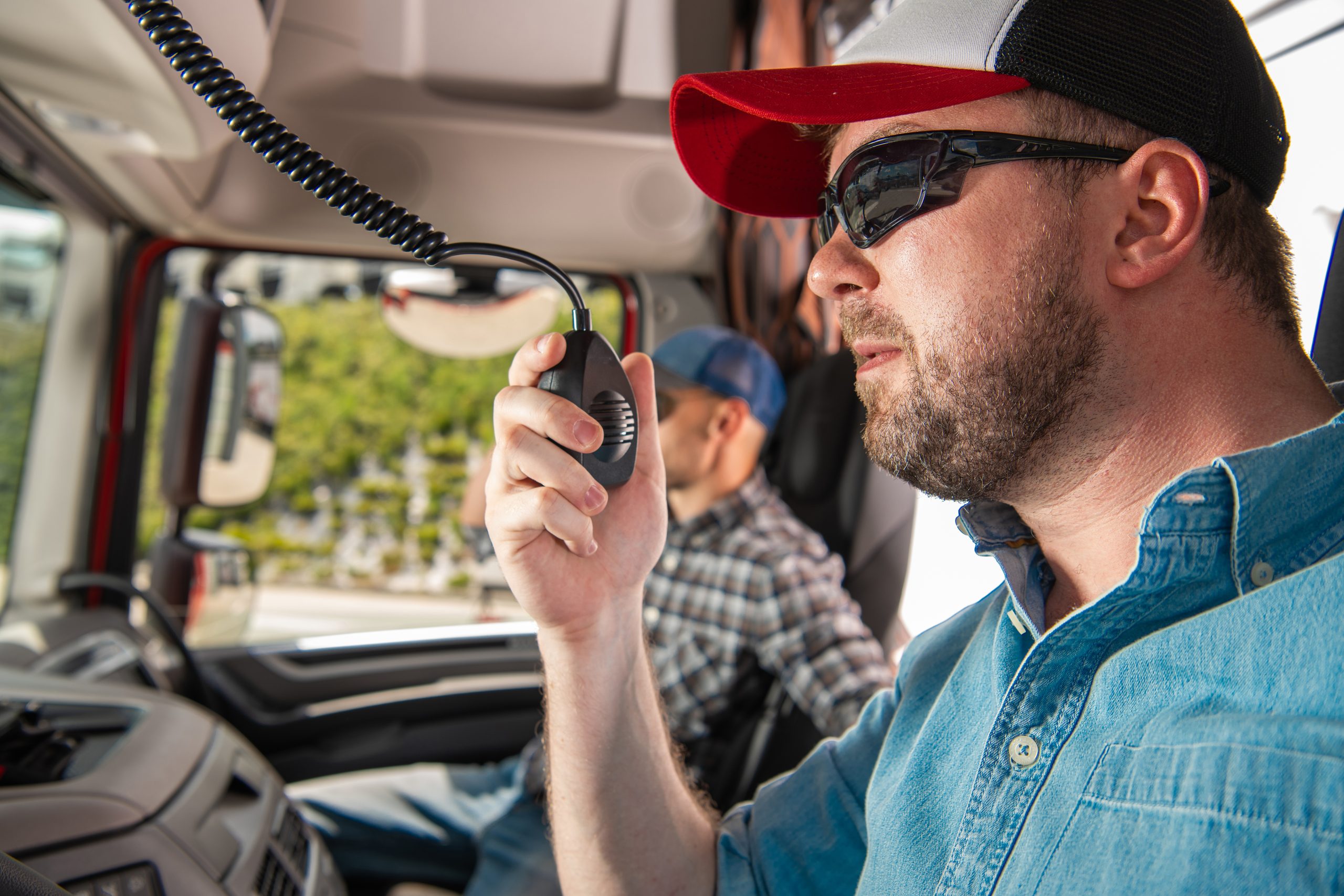
OPTIMIZE YOUR SUPPLY CHAIN WITH CUSTOM FLEET COMMUNICATION SOLUTIONS!


The Backbone of Modern Fleet Communication Systems
Managing a commercial transportation fleet presents intense geographic, regulatory, and acoustic challenges. Standard consumer electronics and mobile phones fail to meet the rigorous safety standards required for commercial drivers. To maintain high operational yields and adhere to strict federal safety protocols, your fleet communication systems must overcome several critical realities:
-
Massive Geographic Footprints: Long-haul trucking and regional transit fleets traverse hundreds or thousands of miles daily. Traditional radio-to-radio communication cannot bridge these vast distances without advanced network backbones.
-
Strict Driver Safety Mandates: Commercial drivers are strictly prohibited from using handheld mobile devices while operating a vehicle. Communication hardware must provide legal, hands-free, one-touch operation to prevent distracted driving.
-
Extreme Acoustic Interference: The constant roar of diesel engines, road vibration, and wind noise requires communication hardware equipped with industrial-grade active noise-cancellation to isolate human vocals.
Why Mobile Radios for Logistics Outperform Cell Phones
Relying on mobile phones for fleet coordination introduces severe regulatory and operational vulnerabilities. Using a cellular phone while driving a commercial motor vehicle is a direct violation of federal safety regulations. Conversely, professional mobile radios for logistics operate via a simple, DOT-compliant Push-to-Talk (PTT) interface. They deliver instantaneous connectivity that bypasses the dialing delays of commercial cellular networks, keeping drivers' eyes on the road and hands on the wheel.
8 Engineering Standards for Transportation Two-Way Radios
When selecting equipment for transit environments, Teltra focuses on specific engineering metrics that guarantee reliability and longevity across thousands of highway miles. We prioritize the following eight technical standards for transportation deployments:
| Engineering Standard | Operational Benefit | Ideal Transportation Application |
| 1. Push-to-Talk over Cellular (PoC) | Leverages 4G/5G networks for unlimited, nationwide communication range. | Interstate trucking, long-haul freight, and cross-country logistics. |
| 2. DOT-Compliant Accessories | Supports visor microphones and foot-switch PTT buttons for legal operation. | Commercial motor vehicles (CMVs), transit buses, and hazmat tankers. |
| 3. Active Noise Suppression | Filters out heavy diesel engine roar and highway noise for clear voice clarity. | Cab operators, tow trucks, and heavy equipment transport. |
| 4. Integrated GPS Telematics | Allows dispatchers to track the exact coordinates, routes, and speeds of vehicles. | Courier services, public transit routing, and fleet tracking. |
| 5. High-Power RF Output | Pushes strong signals across localized urban environments and delivery yards. | Regional delivery vans, taxi dispatch, and shuttle services. |
| 6. Rugged Dash Mounting | Survives continuous road vibration and harsh physical impacts in the cabin. | Forklifts, yard spotters, and construction transport. |
| 7. Cross-Network Roaming | Seamlessly transitions communication between different regional repeater towers. | County-wide transit authorities and municipal transportation. |
| 8. Emergency Interrupt | Allows dispatchers to instantly override all channels during a critical road incident. | Hazmat spills, highway collisions, and severe weather rerouting. |
Custom Network Infrastructure Engineered by Teltra
Teltra provides comprehensive engineering support to optimize your transportation two-way radios. We do not believe in unconfigured, out-of-the-box hardware. Our team designs network architectures that fit the precise geographic layout and operational flow of your supply chain.
Nationwide Push-to-Talk over Cellular (PoC)
For transportation companies spanning multiple states, traditional RF radio systems are physically limited. Teltra solves this by deploying Push-to-Talk over Cellular (PoC) networks. This architecture utilizes existing commercial 4G/LTE/5G data networks to transmit radio traffic, allowing a dispatcher in Chicago to instantly push-to-talk with a driver in Los Angeles using the exact same interface as a local radio.
Digital Trunking for Local Transit Authorities
If your operation is localized—such as a municipal bus line or a city-wide courier service—we engineer advanced digital trunked systems. This architecture maximizes frequency efficiency by pooling available channels, allowing hundreds of regional drivers to share the same local network without receiving "busy" signals during peak rush hour.
Federal Compliance and Hands-Free Integration
Operating commercial vehicles requires strict adherence to safety laws to avoid catastrophic fines and liability. Teltra manages the hardware integration necessary to comply with the
Transportation Two-Way Radios: Frequently Asked Questions
Why choose transportation two-way radios over cell phones for commercial drivers?
Mobile phones are illegal for commercial drivers to operate by hand, introduce severe dialing delays, and distract drivers from the road. Professional transportation two-way radios deliver immediate, dedicated push-to-talk connectivity, feature hands-free DOT-compliant mounting options, and operate on managed networks optimized for instant dispatching.
How do modern fleet communication systems track vehicle locations?
Advanced fleet communication systems utilize integrated GPS and multi-satellite telematics. This allows the radio hardware to constantly ping its geographic coordinates back to the central dispatch software. Dispatchers can view live digital maps, track route histories, monitor vehicle speeds, and set up geofences to optimize delivery times.
Can mobile radios for logistics communicate across the entire country?
Yes. By utilizing Push-to-Talk over Cellular (PoC) technology, modern mobile radios for logistics bridge the gap between traditional radio hardware and national broadband networks. This allows drivers and dispatchers to communicate clearly across state lines without the need for localized repeater towers or expensive federal frequency licenses.

Ready to talk?
Contact Teltra today to discuss your fleet's hardware needs and learn more about the technical, telematics, and regulatory compliance requirements for your next transportation communication deployment.