
Construction Two-Way Radios
Reliable Radios for Job Site Efficiency
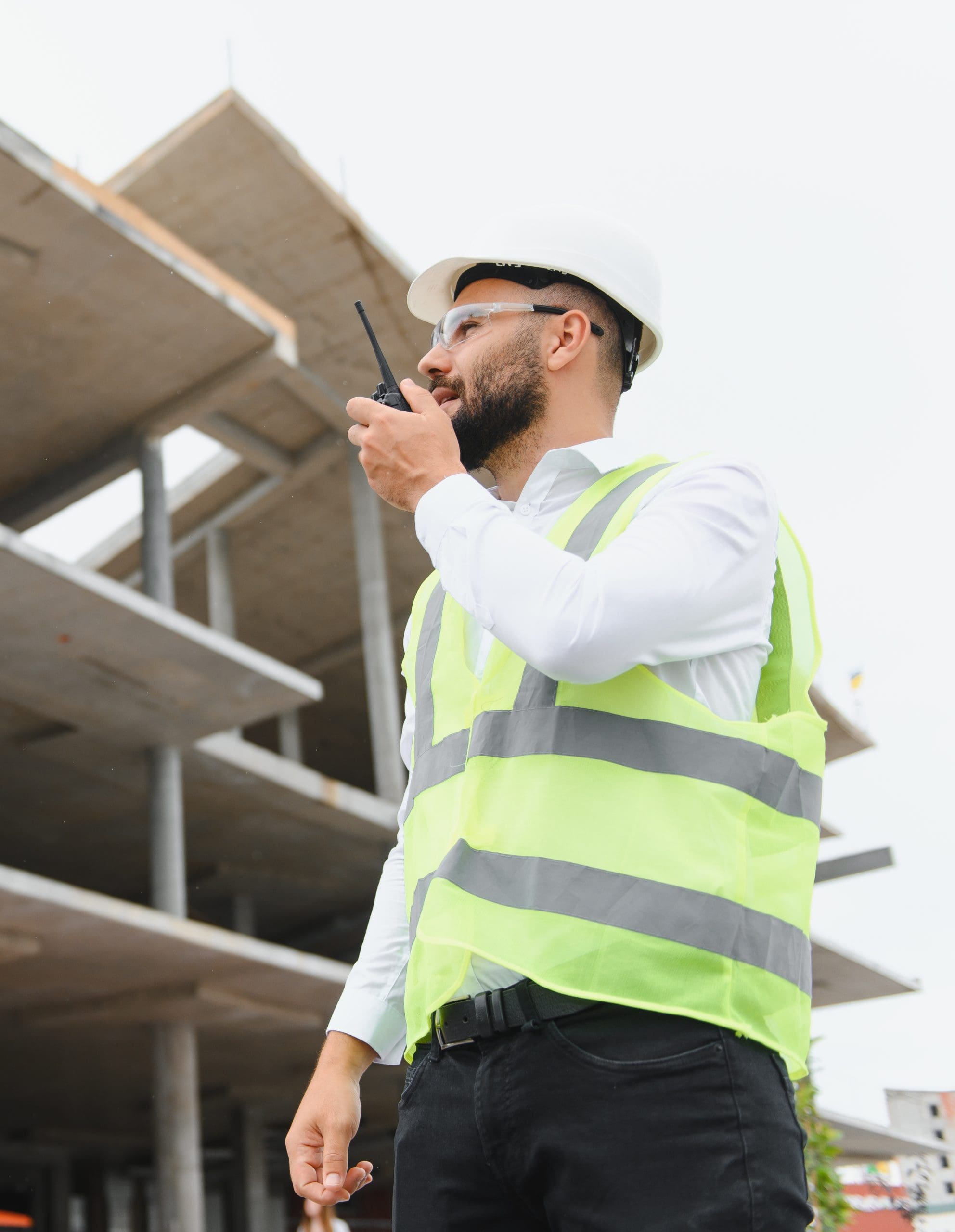
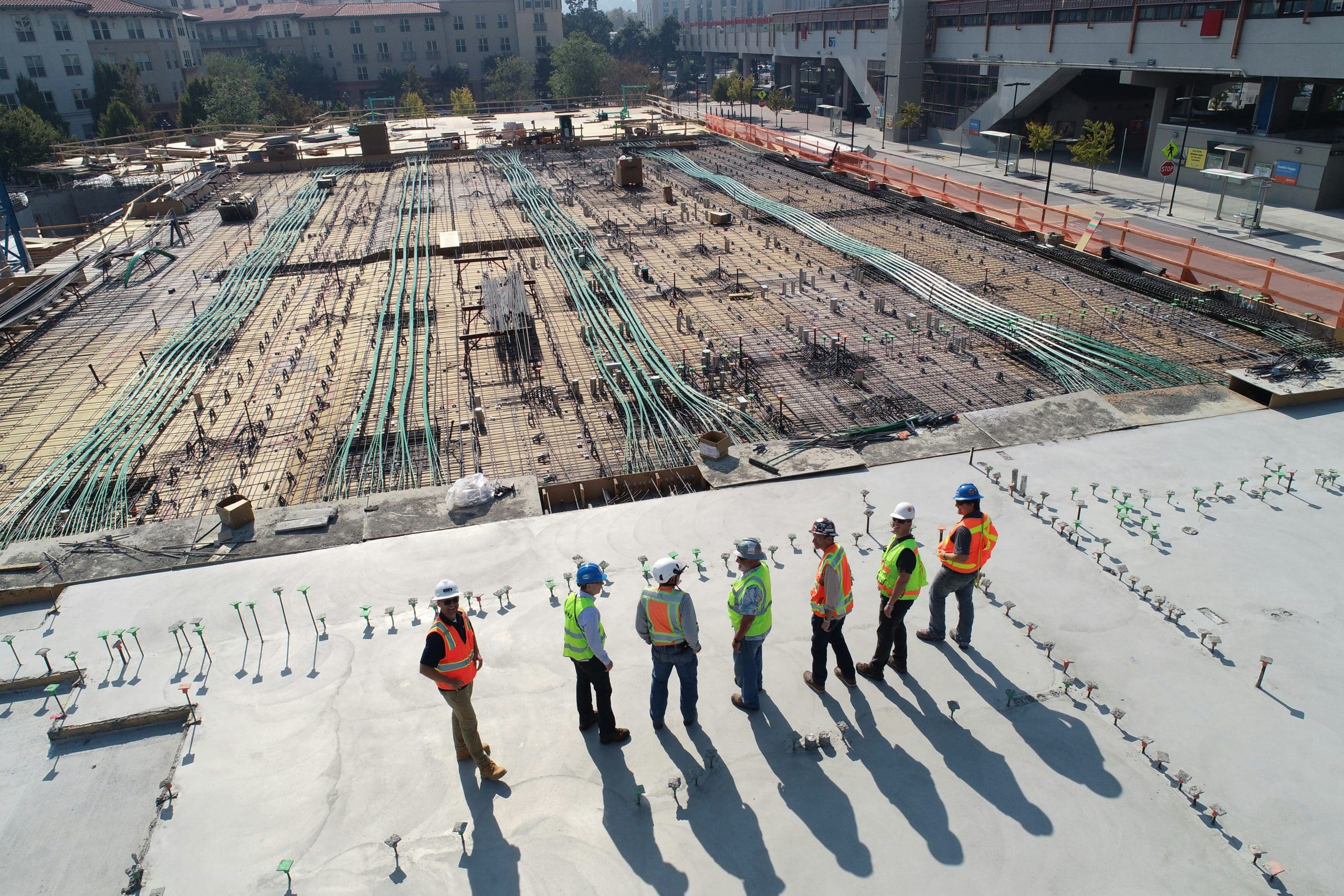
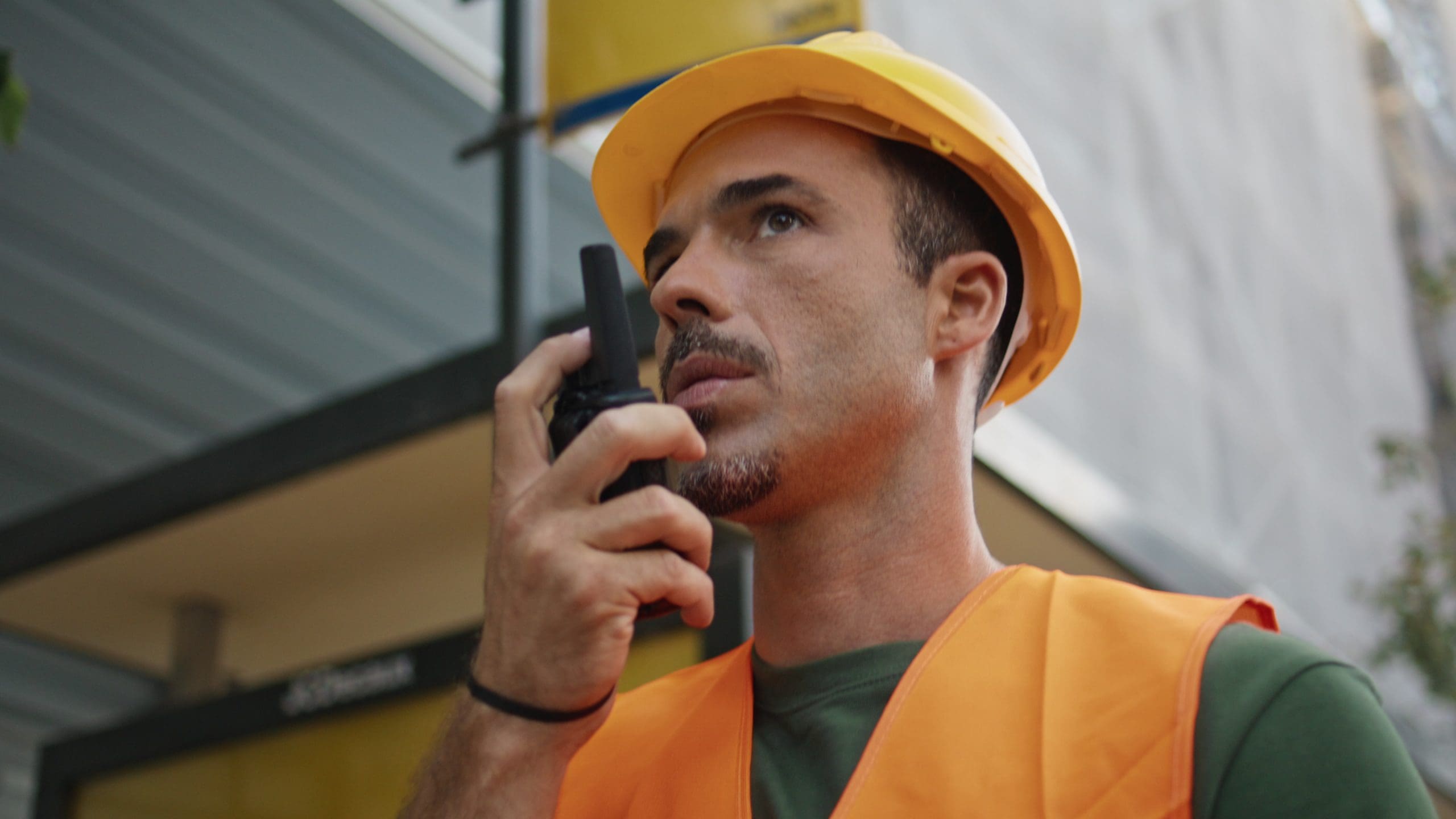
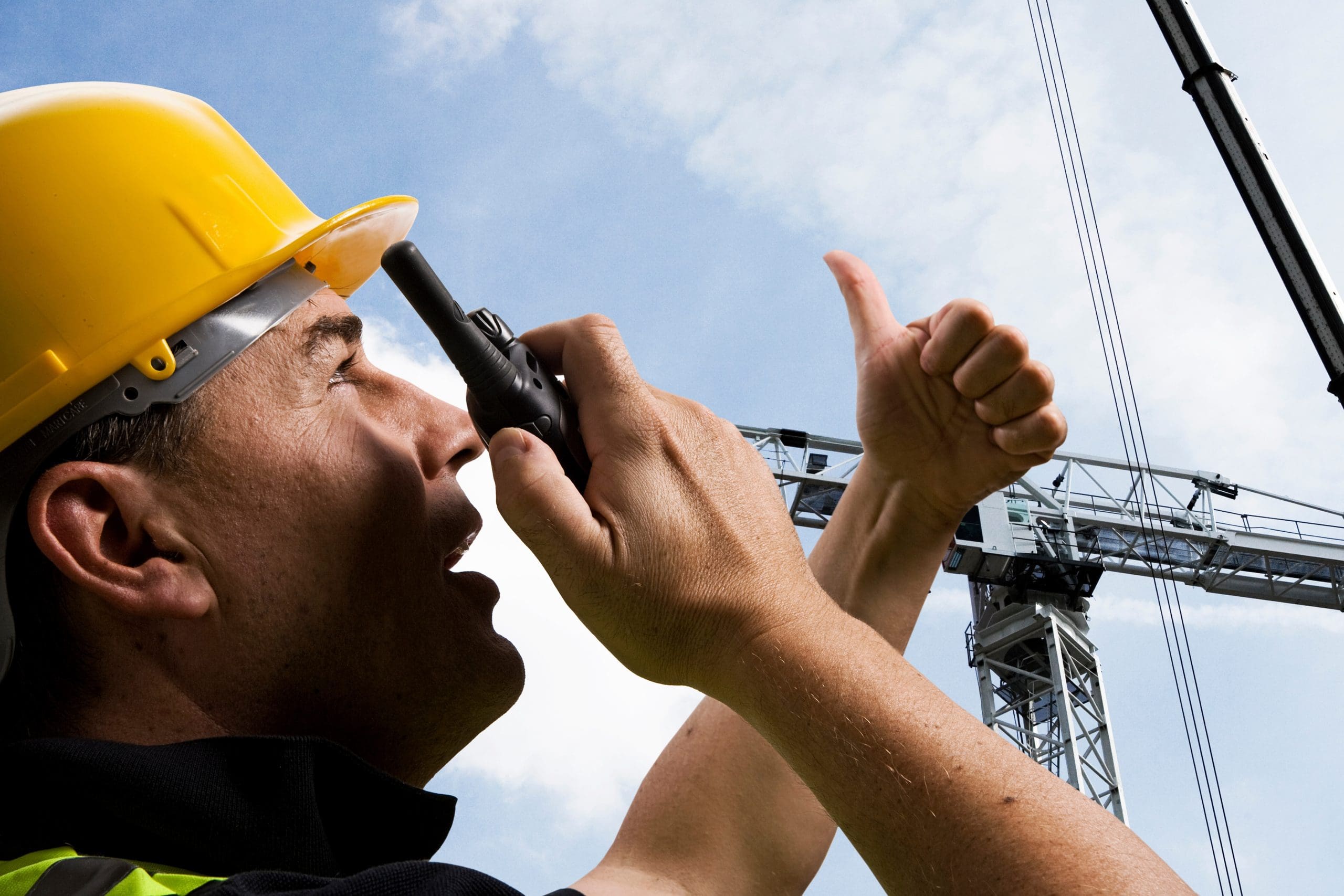
In the commercial building and civil engineering sectors, real-time coordination is the foundation of structural safety and operational velocity. Modern job sites demand instant, reliable voice and data transmission capable of cutting through high-ambient noise and spanning multi-acre footprints. Implementing commercial construction two-way radios ensures your project managers, crane operators, sub-contractors, and safety officers remain continuously linked under a single unified network.
At Teltra, we design, deploy, and maintain robust wireless communication infrastructure customized for heavy civil, commercial, and residential building projects. From local RF repeater networks to nationwide push-to-talk over cellular architectures, we provide the underlying framework that eliminates dead zones and keeps your crews moving safely.

ENHANCE YOUR JOB SITE WITH CUSTOM CONSTRUCTION COMMUNICATION SOLUTIONS!
The Value of Dedicated Wireless Networks on Active Job Sites
Relying on consumer cellular devices or unmanaged radio frequencies introduces significant risk to a project timeline. Active building environments require high-tier equipment capable of surviving demanding physical elements while delivering instant connectivity without dialing delays.
Critical Demands of Commercial Job Site Communications
To maintain strict compliance with industrial safety guidelines and protect operational margins, your onsite communication infrastructure must address several environmental realities:
-
Acoustic Clarity in High-Noise Zones: Heavy machinery, concrete pouring, and structural drilling create extreme noise floors. Commercial wireless equipment must utilize advanced noise-suppression technology to isolate voice traffic from ambient environmental clatter.
-
Environmental Resilience: Delicate electronics fail rapidly when exposed to concrete dust, torrential rain, and extreme temperature fluctuations. Industrial-grade solutions feature rigorous ingress protection ratings to prevent mechanical failure.
-
Instantaneous Dispatching: When heavy loads are in motion, a delay of even two seconds can result in catastrophic equipment damage or severe injury. True push-to-talk systems bypass standard network dialing delays to connect teams instantaneously.
Custom Communication Infrastructure Engineered by Teltra
We do not believe in off-the-shelf, unconfigured solutions. Every building project presents unique topological challenges, from subterranean parking structures that block standard radio waves to sprawling horizontal highway projects requiring wide-area coverage. Our team provides comprehensive engineering support to optimize your commercial job site communications.
Digital Radio Migrations and Fleet Programming
We build custom codeplug architectures for your entire fleet. This includes setting up targeted talk groups so concrete crews, electrical teams, and safety supervisors can communicate independently without cluttering primary channels, while retaining a master override channel for project managers.
Wide-Area Repeaters and Distributed Antenna Systems (DAS)
If your project spans multiple floors of a reinforced concrete high-rise or covers miles of industrial terrain, standard point-to-point signals will degrade. Teltra strategically positions local repeaters and signal boosters to guarantee 100% coverage across every square foot of your job site.
Nationwide Push-to-Talk Over Cellular (PoC)
For construction firms managing multiple simultaneous job sites, supply chains, and aggregate transport fleets, we deploy hybrid cellular-wireless networks. These systems allow your headquarters to monitor live GPS locations and communicate with equipment operators thousands of miles away using the simplicity of a standard radio interface.
Core Characteristics of Rugged Two-Way Radios
When selecting equipment for a commercial deployment, Teltra looks for key engineering metrics that ensure long-term return on investment. We focus on matching your project requirements with the appropriate technical specifications.
| Engineering Feature | Operational Benefit | Ideal Construction Application |
| IP67/IP68 Ingress Protection | Total protection against dust penetration and water immersion. | Masonry, excavation, and heavy wet-weather civil engineering. |
| MIL-STD-810 Compliance | Military-grade resilience against drops, structural shock, and vibration. | Scaffold operations, structural steel welding, and rigging. |
| Intrinsically Safe (UL913) | Prevents electrical sparking in volatile atmospheric conditions. | Refinery construction, tunneling, and underground utility work. |
| Long-Life Lithium Chemistry | Continuous operational capacity extending past standard 12-hour shifts. | Multi-shift operations and extended concrete pours. |
Comprehensive Safety and Compliance Integration
A structured wireless network is a vital element of your site-specific safety plan. Teltra integrates specialized digital safety protocols into your network topology to protect isolated or vulnerable workers:
-
Lone Worker Monitoring: Automated check-in prompts ensure that technicians working in remote or dangerous areas are responsive. Failure to acknowledge triggers a site-wide alert.
-
Man-Down Telematics: Internal digital sensors track the physical angle of the communication device. If a worker falls, the radio automatically broadcasts emergency distress coordinates.
-
Priority Interrupt Dispatching: In the event of a structural emergency, supervisors can instantly override lower-priority conversations across the entire network to issue evacuation commands.
Construction Communication: Frequently Asked Questions
Why choose two-way radios over mobile phones for construction sites?
Mobile phones lack the structural durability required for heavy industrial environments, introduce dialing delays, and often suffer from weak coverage inside reinforced concrete or steel frameworks. Rugged two-way radios provide instantaneous push-to-talk connectivity, feature heavy-duty commercial noise-cancellation, and run on dedicated frequencies or managed private data networks optimized for maximum coverage
What is the process for securing legal radio frequencies for a job site?
Commercial wireless operations require authorization to prevent interference with emergency services and neighboring industrial sites. Teltra manages the entire
How do modern communication systems handle multi-story building projects?
High-rise and deep subterranean builds naturally degrade standard wireless signals. Teltra solves this by deploying localized repeater configurations, bi-directional amplifiers, or utilizing advanced digital network protocols that treat the physical building structure as a private cellular-style network, ensuring complete signal penetration.
Ready to talk?
Contact Teltra today to discuss your hardware needs and learn more about compliance requirements for your next deployment.