
Public Safety Two-Way Radios
Critical Radios for Emergency Response
In the high-stakes environment of emergency services, instantaneous and unbroken communication is a matter of life and death. When police officers, firefighters, and emergency medical technicians (EMTs) respond to a crisis, they cannot rely on fragile consumer networks that congest during emergencies. Implementing professional public safety two-way radios ensures your frontline personnel, dispatchers, and inter-agency commanders remain continuously linked under a highly secure, fail-proof network.
At Teltra, we engineer, deploy, and support robust wireless infrastructure designed explicitly for municipalities, county sheriff's departments, and regional fire districts. From integrating complex P25 digital trunking networks to provisioning encrypted law enforcement radios, we provide the underlying framework that eliminates dead zones and guarantees interoperability when seconds matter most.
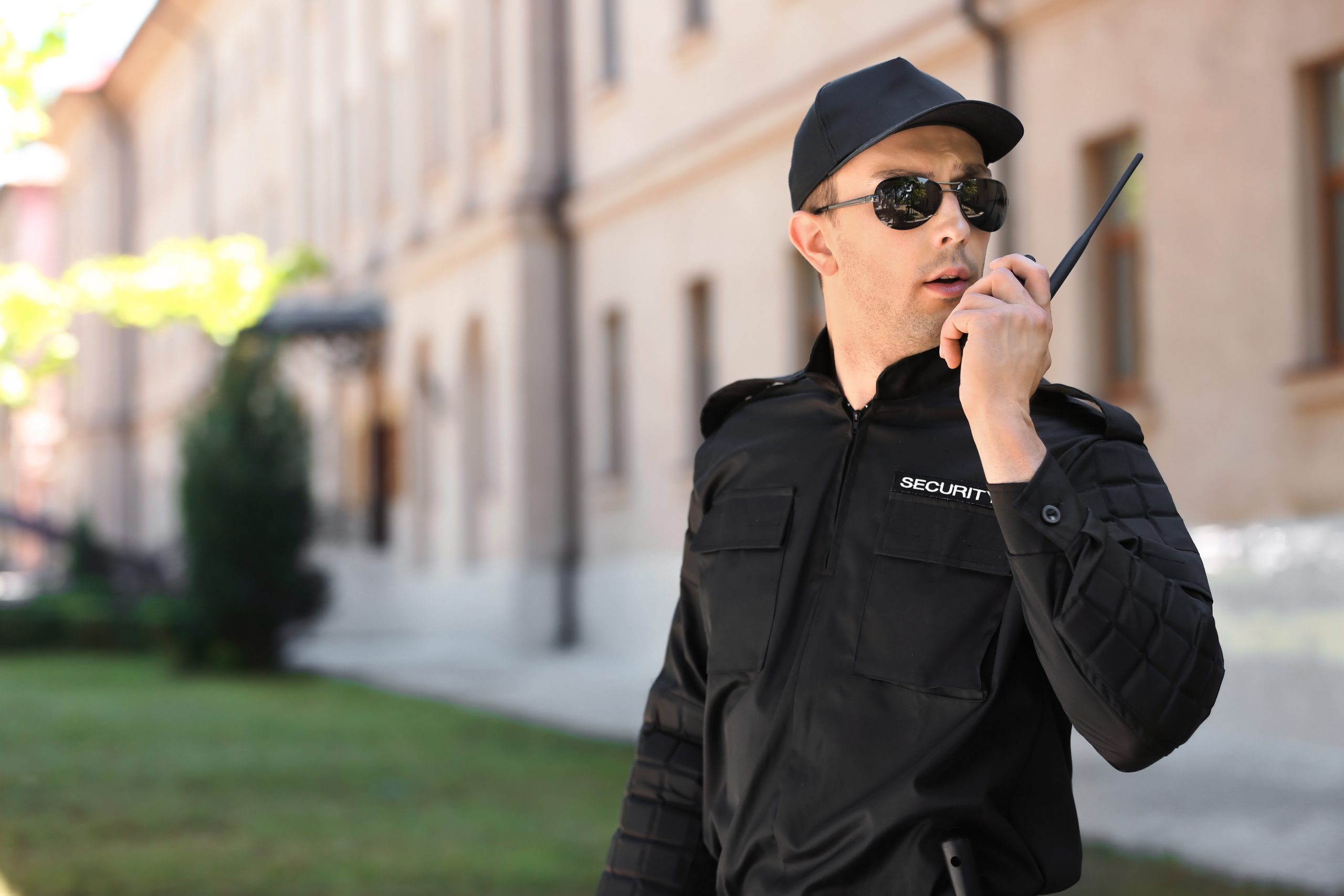
EMPOWER YOUR RESPONDERS WITH ELITE PUBLIC SAFETY COMMUNICATION SOLUTIONS!
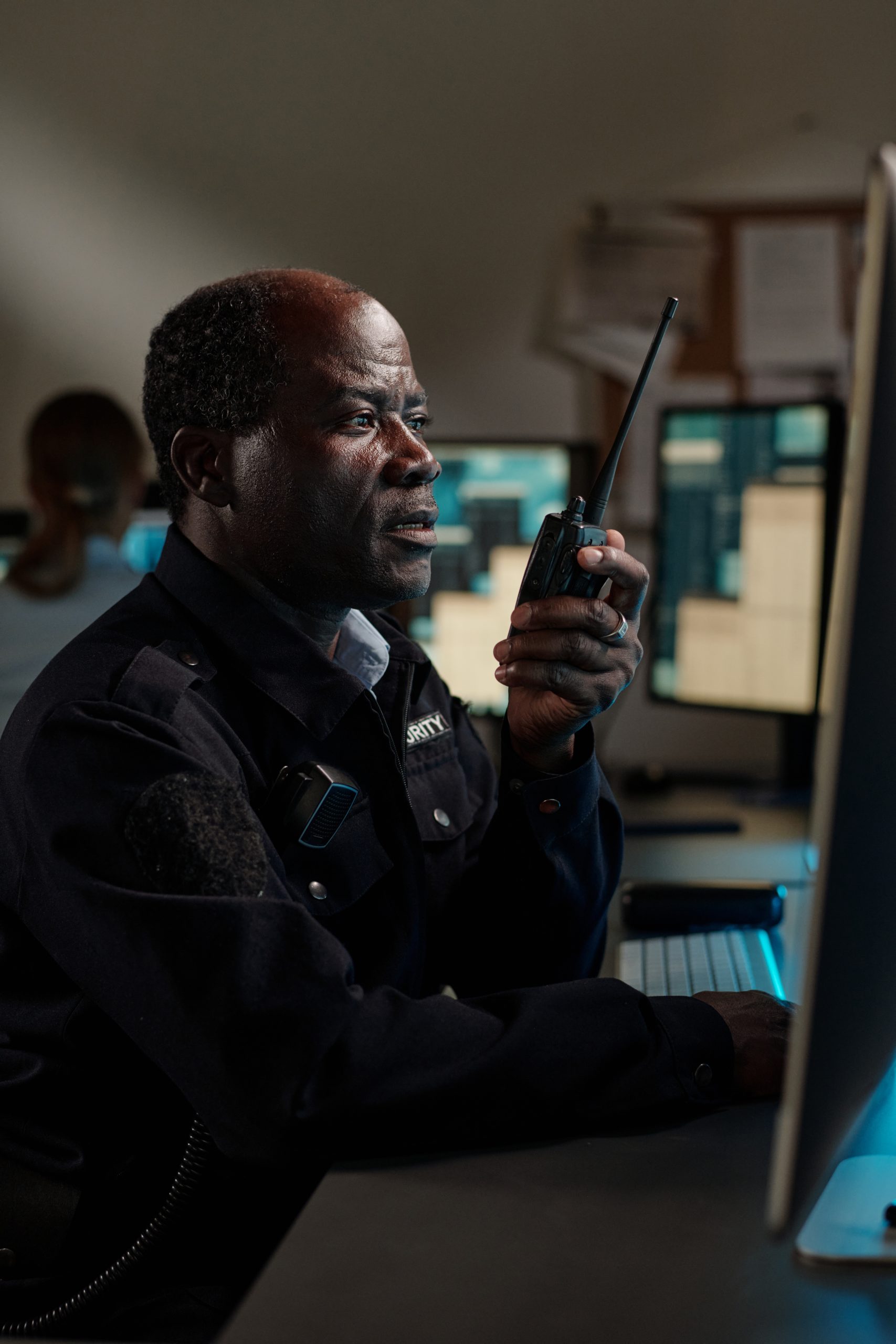
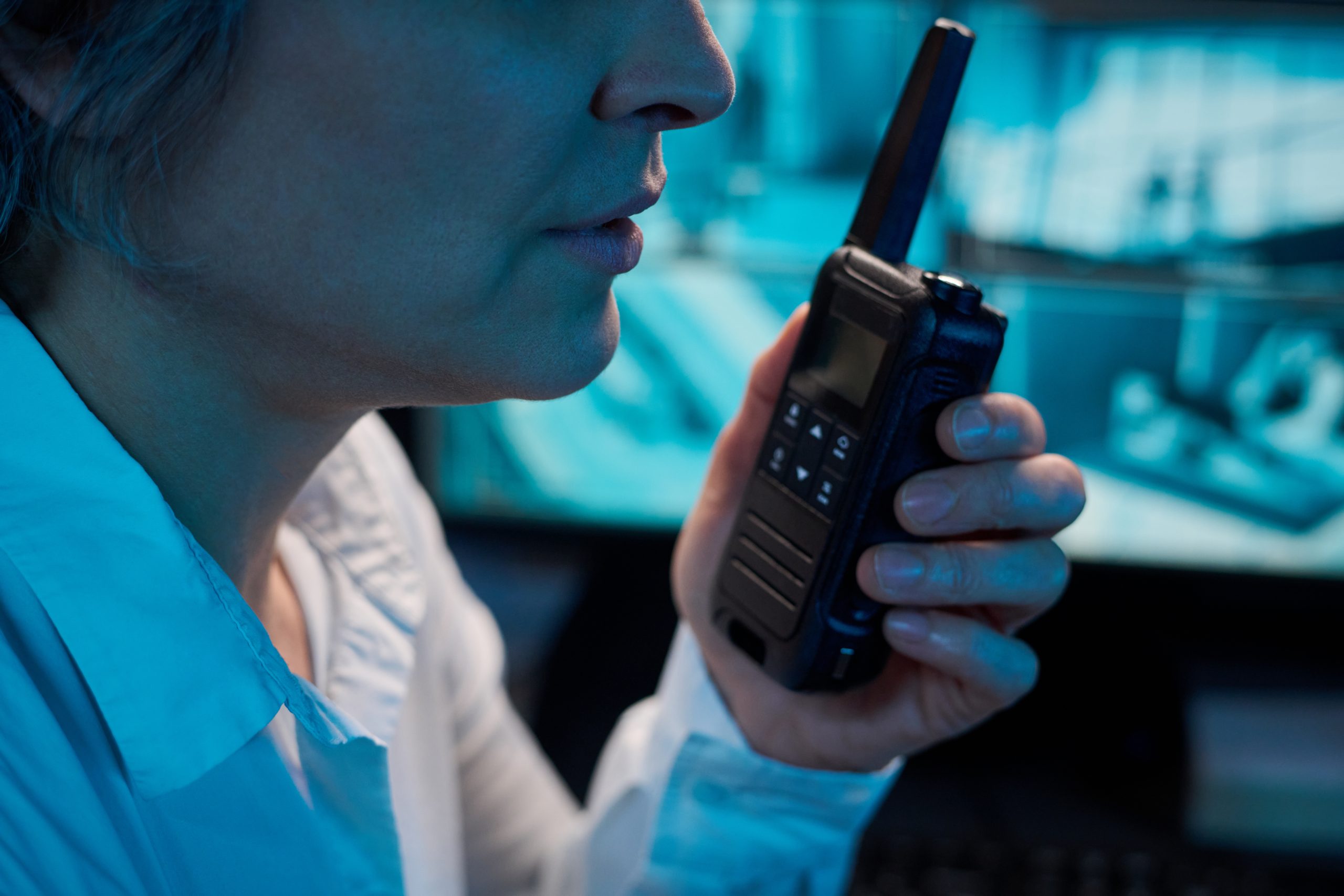
The Core of First Responder Communication Systems
Managing communications for emergency services presents extreme operational, environmental, and regulatory challenges. Standard commercial radios and mobile phones routinely fail to meet the rigorous demands of active incident response. To maintain operational command and adhere to strict federal security protocols, your first responder communication systems must overcome several critical realities:
-
Catastrophic Network Congestion: During a natural disaster or large-scale public emergency, civilian cellular networks become instantly overwhelmed and unusable. Public safety infrastructure must operate on dedicated spectrums to guarantee 100% uptime.
-
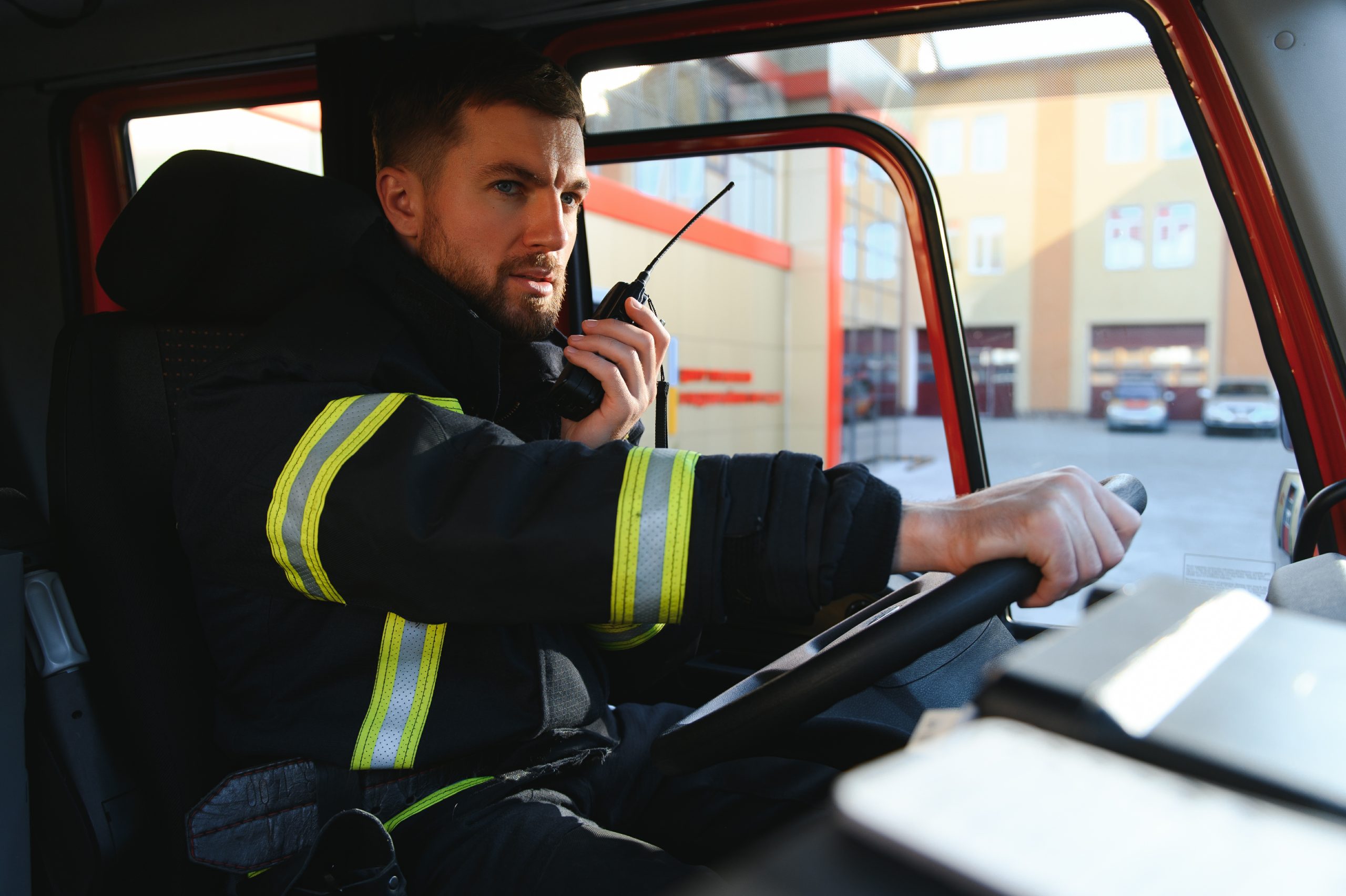
Extreme Environmental Exposure: Firefighters and EMTs routinely enter burning structures, flooded areas, and hazardous chemical environments. Hardware must be engineered with maximum ingress protection and thermal resistance.
-
Strict Interoperability Mandates: During a major crisis, local police must be able to communicate directly with state troopers, federal agents, and neighboring fire districts. Proprietary, closed-loop systems are dangerous liabilities in the field.
Why Law Enforcement Radios Outperform Commercial Devices
Relying on standard commercial equipment or mobile phones for police work introduces severe vulnerabilities. Law enforcement radios are purpose-built for tactical deployment, featuring oversized emergency buttons, discrete audio routing for covert operations, and advanced AES-256 encryption to prevent civilians or criminals from using scanners to intercept sensitive tactical chatter.
7 Engineering Standards for Public Safety Two-Way Radios
When selecting equipment for municipal and emergency environments, Teltra focuses on strict engineering metrics that guarantee reliability and interoperability. We prioritize the following seven technical standards for public safety deployments:
| Engineering Standard | Operational Benefit | Ideal Public Safety Application |
| 1. P25 Phase I & II Compliance | Ensures seamless interoperability with other municipal, state, and federal agencies. | Multi-jurisdictional task forces and mutual aid responses. |
| 2. AES-256 Digital Encryption | Secures highly sensitive tactical voice and data traffic from unauthorized scanners. | SWAT operations, narcotics task forces, and VIP protection. |
| 3. Active Noise Suppression | Filters out sirens, sirens, and crowd noise for crystal-clear dispatch communications. | Highway patrol, riot control, and fireground operations. |
| 4. IP68 Submersibility | Completely blocks dust ingress and survives full water submersion for extended periods. | Search and rescue, marine patrol, and severe weather response. |
| 5. Multi-Band Capability | Operates across VHF, UHF, and 700/800 MHz bands from a single portable device. | Command staff coordinating between different departmental networks. |
| 6. Integrated Safety Telematics | Automatically triggers structural alerts via Man-Down sensors and Lone Worker timers. | Foot patrols, prison guards, and isolated responders. |
| 7. Extended Battery Chemistry | Delivers prolonged power to survive extended disaster response deployments. | Hurricane relief operations, extended standoffs, and 24/7 shifts. |
Custom Network Infrastructure Engineered by Teltra
Teltra provides comprehensive engineering support to optimize your public safety two-way radios. We do not believe in off-the-shelf, unconfigured hardware when lives are on the line. Our team designs network architectures that fit the precise topological layout and operational jurisdiction of your agency.
Project 25 (P25) Interoperability and Trunking
For large municipalities and county-wide deployments, we engineer advanced P25 digital trunked systems. This architecture maximizes frequency efficiency by pooling available channels, allowing hundreds of users across police, fire, and public works to share the same network without receiving "busy" signals. It also guarantees compliance with the interoperability standards established by the
Regulatory Frequency Coordination
Operating high-power emergency networks requires flawless adherence to federal communication laws. Teltra completely manages the
In-Building Distributed Antenna Systems (DAS)
During active shooter responses or structural fires, first responders frequently lose signal when entering thick concrete schools, hospitals, or high-rises. Teltra engineers Emergency Responder Radio Coverage Systems (ERRCS) and localized Distributed Antenna Systems (DAS) to amplify public safety frequencies inside these dense structures, ensuring tactical teams never lose contact with command.
Public Safety Two-Way Radios: Frequently Asked Questions
Why choose public safety two-way radios over cell phones for emergency response?
Mobile phones introduce severe dialing delays, easily lose coverage inside concrete buildings, and suffer complete failure during mass-casualty events due to cellular tower congestion. Professional public safety two-way radios deliver immediate, dedicated push-to-talk connectivity, feature advanced noise reduction, and operate on exclusive municipal networks optimized for guaranteed uptime.
How do first responder communication systems securely transmit data?
To protect tactical intelligence and personal privacy, modern first responder communication systems utilize advanced digital encryption, most notably AES-256 (Advanced Encryption Standard). This military-grade encryption scrambles the voice data before it leaves the radio, making it mathematically impossible for civilian scanners or criminals to decode the transmission.
Are law enforcement radios compatible with fire department networks?
Yes, provided they are engineered correctly. By adhering to Project 25 (P25) open standards, modern law enforcement radios can be programmed to communicate seamlessly with fire departments, EMS, and federal agencies. Teltra ensures your fleet's codeplugs are built to support these critical mutual aid channels.
Ready to talk?
Contact Teltra today to discuss your agency's hardware needs and learn more about the technical, environmental, and regulatory compliance requirements for your next emergency communication deployment.