DMR Tier II Conventional
Powerful Upgrades for Your Network
Maximizing efficiency in your workforce starts with reliable communication. DMR Tier II Conventional represents the global standard for professional, high-performance two-way radio communications. Engineered for businesses requiring clear, reliable voice and data coverage without the heavy infrastructure costs of a complex trunked system, this digital technology operates seamlessly within standard licensed PMR (Professional Mobile Radio) frequency bands.
By utilizing advanced 2-slot TDMA technology (Time Division Multiple Access), DMR Tier II splits a single 12.5 kHz channel into two independent talk paths. This innovation effectively doubles your frequency capacity, allowing two separate conversations to happen simultaneously on the same channel without incurring additional FCC licensing costs.
Migrating to a conventional Digital Mobile Radio network significantly enhances overall operational efficiency. Businesses experience crystal-clear audio quality that filters out heavy background noise, extended battery life for field devices, and integrated data capabilities like GPS tracking and text messaging. At Teltra, we provide a highly cost-effective framework that serves as the perfect baseline for growing enterprises, offering seamless migration paths from legacy analog systems while delivering secure, reliable, and instantaneous dispatch coordination.
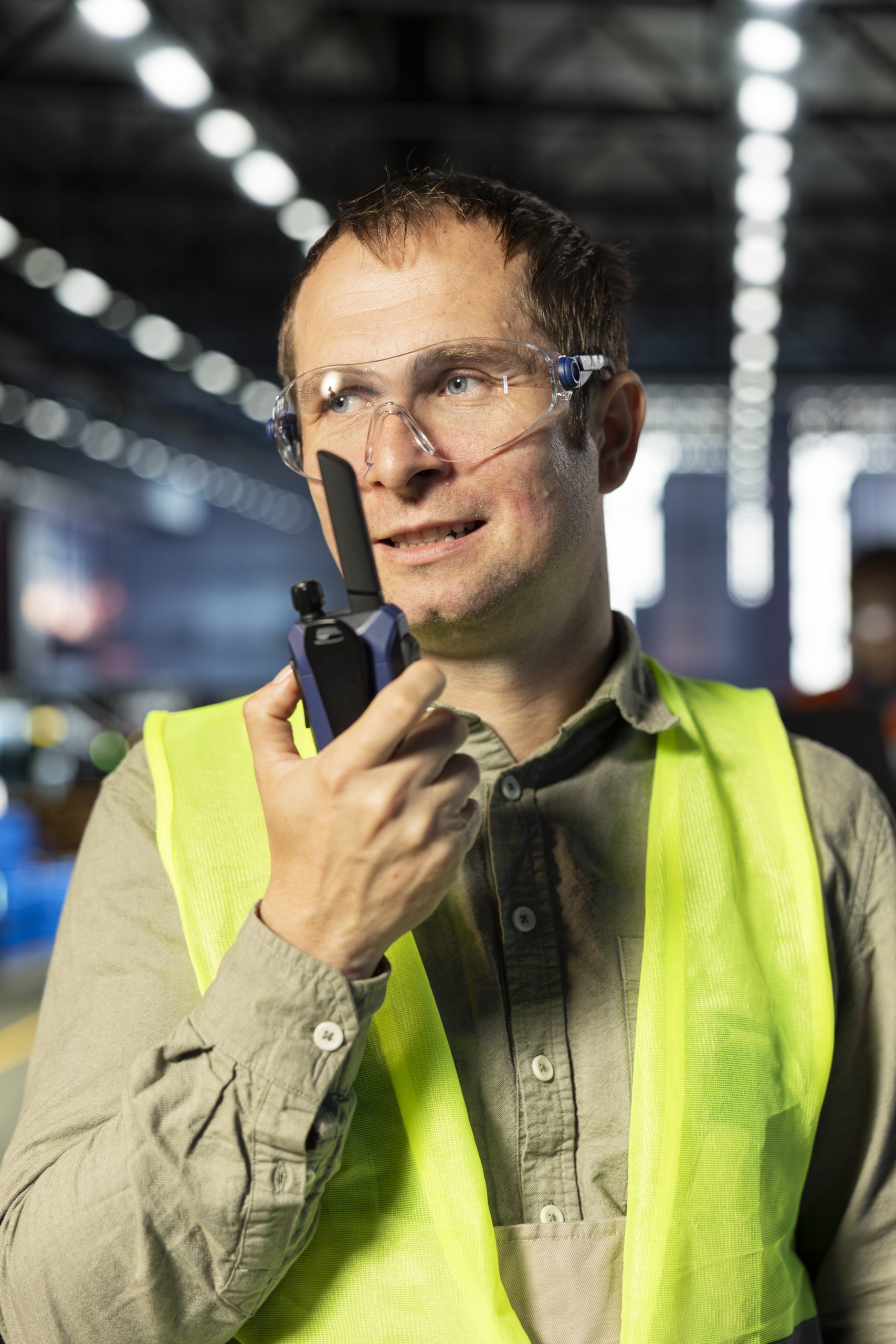
UPGRADE YOUR FLEET WITH POWERFUL DIGITAL SOLUTIONS!
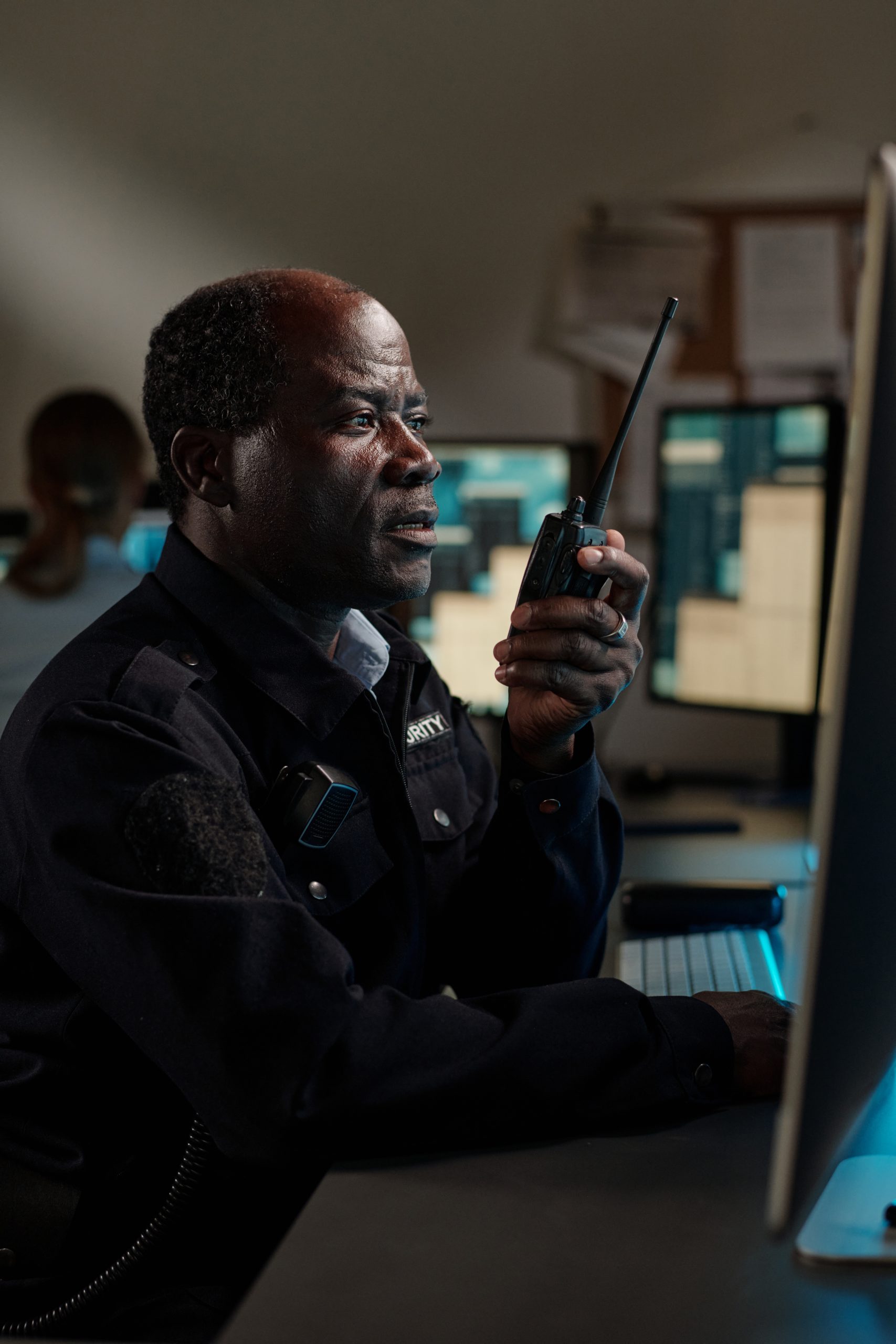
The Core of Digital Mobile Radio Technology
For decades, commercial industries relied on legacy analog radios. While functional, analog signals degrade linearly; the further a user travels from the antenna, the more static and white noise infects the transmission until the voice is completely unintelligible.
Upgrading to a DMR Tier II Conventional system fundamentally changes how your RF (Radio Frequency) signals behave. Digital signals maintain complete voice clarity to the absolute edge of your coverage footprint. If the digital radio can catch the signal, the voice will sound as if the user is standing right next to you.
This digital architecture provides the critical "sweet spot" for medium-to-large enterprises. It delivers the advanced features, security, and clarity of high-end public safety networks, but utilizes a "conventional" layout—meaning users manually select their channels without the need for an expensive, centralized computer controller to route traffic.
5 Engineering Standards for DMR Tier II Systems
When architecting a digital network for your enterprise, Teltra focuses on engineering metrics that guarantee clarity, longevity, and efficiency. We prioritize the following five technical standards for all DMR conventional deployments:
| Engineering Standard | Operational Benefit | Ideal DMR Application |
| 1. 2-Slot TDMA Technology | Doubles channel capacity, allowing two simultaneous calls on one 12.5 kHz frequency. | Busy warehouse floors and multi-department manufacturing plants. |
| 2. Active Digital Noise Suppression | Mathematically filters out background machinery, wind, and engine noise. | High-decibel environments like construction sites and aviation tarmacs. |
| 3. Extended Battery Chemistry | Transmitting only half the time (due to TDMA) extends battery life by up to 40%. | Extended 12-to-16 hour shifts and 24/7 security operations. |
| 4. Integrated Data Telemetry | Supports text messaging, radio registration, and live GPS location tracking. | Logistics fleets, campus security, and mobile delivery teams. |
| 5. Advanced AES/ARC4 Encryption | Scrambles digital voice and data packets to prevent unauthorized scanner interception. | Executive protection, casino security, and financial institutions. |
Custom Digital Infrastructure Engineered by Teltra
Teltra provides comprehensive engineering support from the initial system design to the final hardware programming. We do not just sell radios out of a box; we engineer complete Digital Mobile Radio networks tailored to your facility's operational flow.
Seamless Analog-to-Digital Migration
Many businesses delay upgrading to digital because they cannot afford to replace their entire analog fleet overnight. Teltra solves this by deploying mixed-mode digital repeaters. These intelligent repeaters automatically detect whether an incoming transmission is analog or digital and broadcast it back out in the matching format. This allows you to slowly phase out your old analog radios over several budget cycles without ever breaking communication between your staff.
Expanding Coverage with IP Site Connect
If your business outgrows a single facility, your DMR Tier II Conventional system can scale with you. Teltra engineers IP Site Connect solutions, which link multiple digital repeaters together over a standard IP network. Whether you are connecting a warehouse in North Carolina to an office in Texas, or simply linking three different buildings across a sprawling corporate campus, your users can roam seamlessly across the entire network.
FCC Frequency Coordination and Licensing
Because DMR operates on licensed UHF and VHF frequencies, strict adherence to federal law is required to avoid interference and fines. Our dedicated licensing team manages the complex FCC coordination process. We secure exclusive frequencies for your business and program your 2-slot TDMA technology to maximize your licensed spectrum, ensuring a clear, private communications lifeline.
DMR Tier II Conventional: Frequently Asked Questions
What is a DMR Tier II Conventional system?
DMR Tier II Conventional is the global open standard for professional Digital Mobile Radio systems operating in licensed frequency bands. "Conventional" means that specific channels are permanently assigned to specific frequencies, making it highly reliable and cost-effective for businesses that do not require complex, computer-controlled trunking networks.
How does 2-slot TDMA technology save money?
Traditional analog radios require one dedicated 12.5 kHz channel for every conversation. 2-slot TDMA technology mathematically splits that exact same 12.5 kHz channel into two alternating time slots. This allows two separate conversations to happen on a single frequency simultaneously, cutting your FCC licensing and repeater hardware requirements in half.
Can I communicate between digital and analog radios?
Direct radio-to-radio communication requires both devices to be in the same mode. However, Teltra can install a mixed-mode repeater as the core of your network. The repeater acts as a bridge, allowing older analog radios to operate on the same network alongside your new digital fleet, ensuring a smooth, phased migration.


Ready to talk?
Contact Teltra today to discuss your organization's transition to Digital Mobile Radio. Learn more about the technical advantages, analog migration strategies, and FCC regulatory requirements for your next DMR deployment.