
Fire and EMS Two-Way Radios
Radios Built for Severe Emergency Response
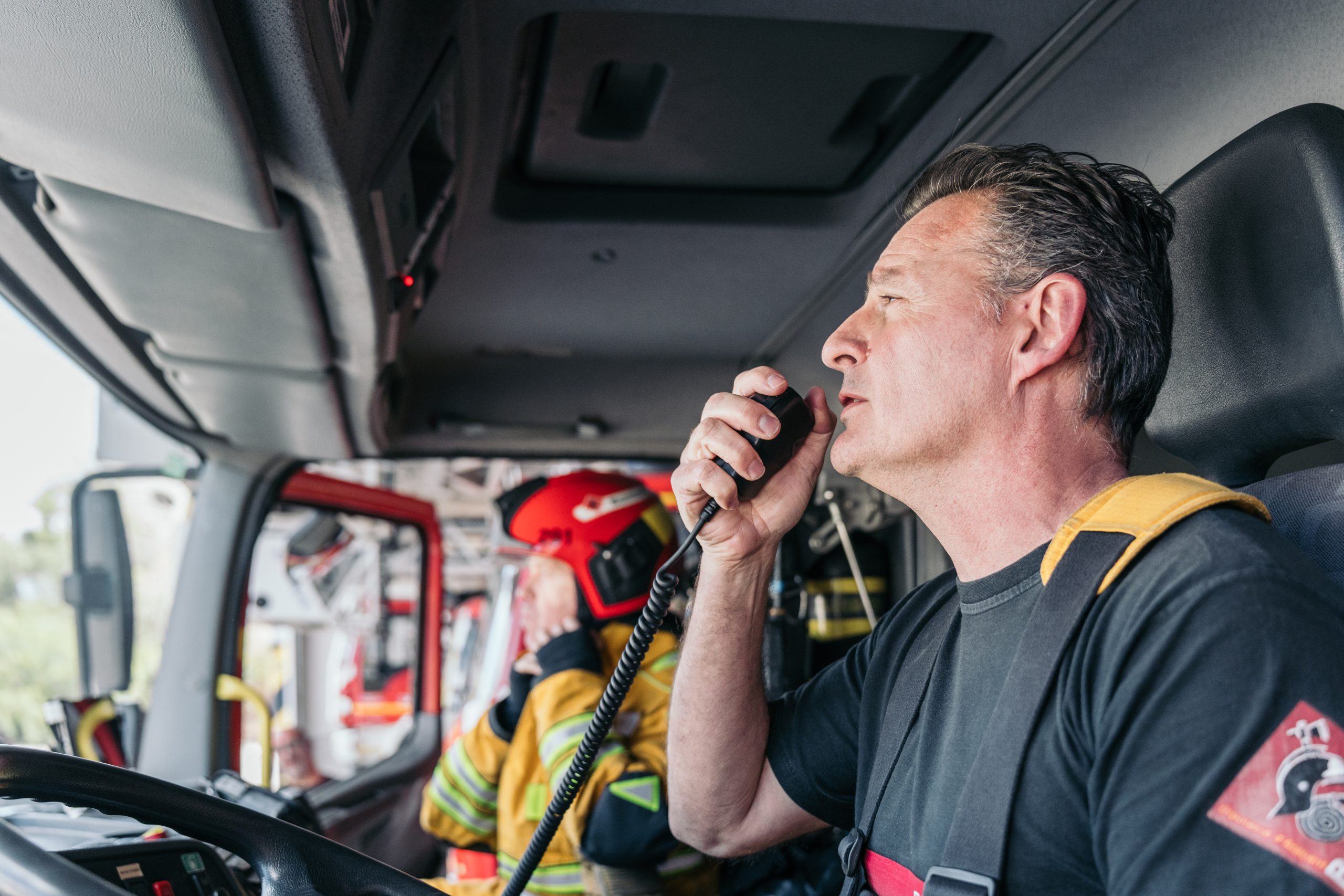
In the chaos of an active fireground or a critical medical emergency, a delayed or garbled voice transmission can have devastating consequences. Firefighters and emergency medical technicians (EMTs) routinely operate under intense environmental and physiological stress, where split-second coordination determines the success of a rescue. Implementing mission-critical fire and EMS two-way radios guarantees that your incident commanders, engine companies, and paramedic crews maintain an absolute, unbroken link throughout any crisis.
At Teltra, we engineer, deploy, and maintain ultra-rugged wireless infrastructure designed to survive the hostile conditions of emergency response. From configuring high-temperature fireground channels to integrating seamlessly with hospital telemetry and regional dispatch, we build the underlying network frameworks that safeguard first responders when lives are on the line.
PROTECT YOUR FIRST RESPONDERS WITH CRITICAL COMMUNICATION INFRASTRUCTURE!
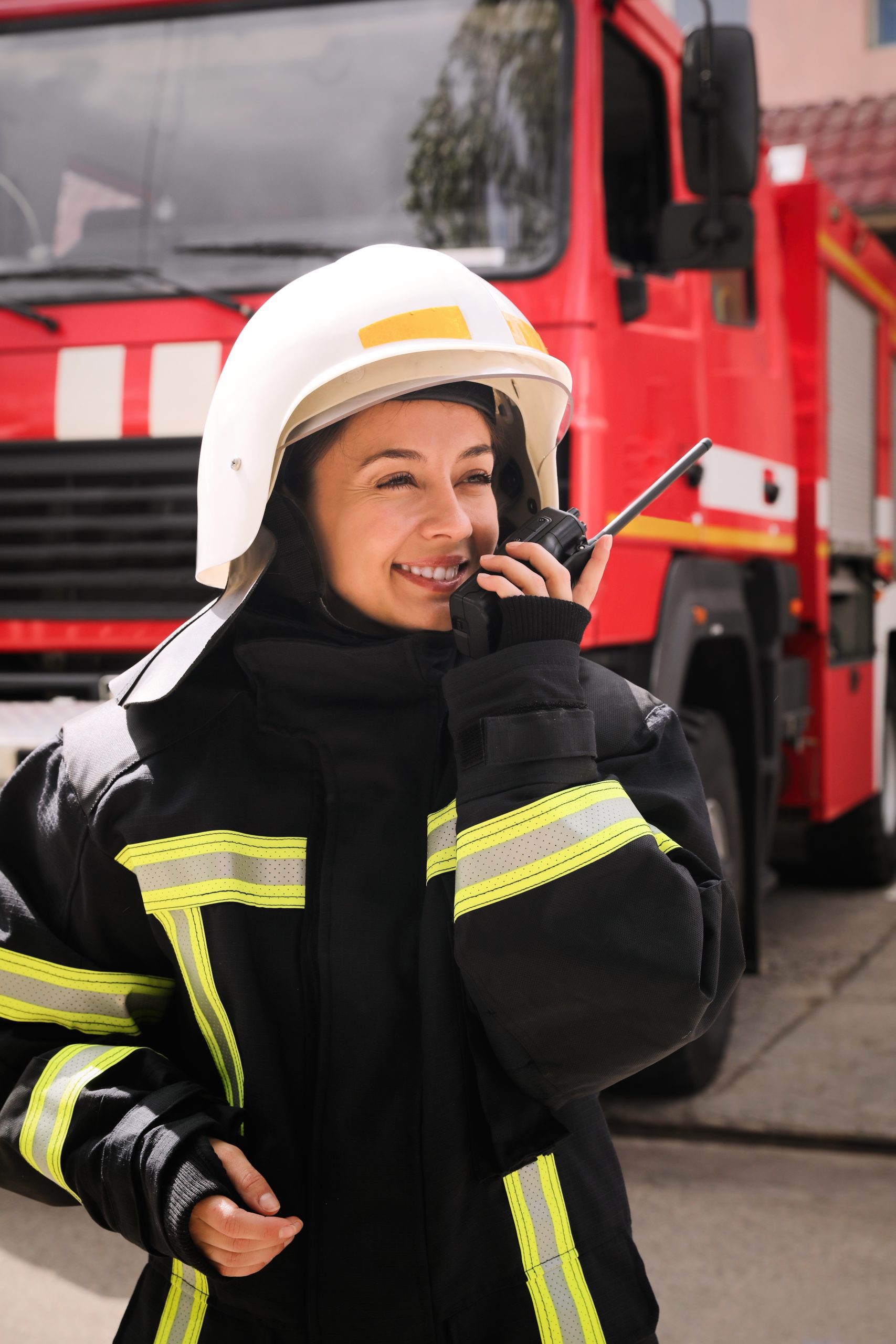

The Core of Fireground Radio Networks
Operating within structures engulfed in flames or treating casualties at multi-vehicle highway collisions introduces communication challenges that consumer electronics cannot withstand. To protect personnel and secure public safety, your emergency medical communication systems and fireground radio networks must overcome extreme physical barriers:
-
Thermal and Physical Extremes: Equipment carried by interior attack teams is exposed to extreme radiant heat, heavy impact, and dense smoke. Radios must be structurally hardened to operate flawlessly even after thermal exposure or heavy drops.
-
Acoustic Chaos: The deafening roar of diesel pumps, positive pressure ventilation (PPV) fans, chainsaws, and passing sirens can completely drown out human speech. Frontline devices require advanced, dual-microphone audio processing to isolate voice frequencies.
-
Severe Building Penetration Blocks: Residential high-rises, commercial warehouses, and basements act as radio frequency shields. Without specialized coverage solutions, signals quickly drop, leaving crews isolated inside hazardous structures.
Why Dedicated Emergency Networks Outperform Mobile Phones
Relying on smartphones during structural fire suppression or mass-casualty events is a dangerous vulnerability. Touchscreens become completely unusable when covered in water or operated with heavy turnout gear, and commercial cellular infrastructure is prone to localized blackouts or extreme traffic congestion during major emergencies. Professional fire and EMS two-way radios feature tactile, mechanical dials, dedicated emergency distress switches, and dedicated frequencies that ensure immediate, un-congested connectivity.
Technical Standards for Fire and EMS Communications
When outfitting an emergency response fleet, Teltra focuses on strict, uncompromised engineering metrics to guarantee absolute reliability. We prioritize the following technical standards for fire and medical rescue deployments:
| Engineering Standard | Operational Benefit | Ideal Emergency Application |
| 1. Extreme Ruggedization & Ingress | Exceeds IP68 submersibility and MIL-STD-810G specs for dust, water, and impact resistance. | Search and rescue, structural fires, and vehicle extrication. |
| 2. Aggressive Digital Noise Cancellation | Uses AI-based dual-microphone arrays to suppress mechanical fireground roar. | Pump operators, ventilation teams, and highway incident response. |
| 3. P25 Interoperability | Adheres to national standards for cross-agency voice and data communications. | Mutual aid calls involving county, state, and federal entities. |
| 4. Tactile, Gloved-Hand Ergonomics | Employs oversized knobs, prominent PTT buttons, and simplified operational profiles. | Frontline personnel wearing thick leather or medical protective gloves. |
| 5. Integrated Distress Signaling | Features dedicated top-mounted emergency buttons and automatic Man-Down sensors. | Rapid Intervention Teams (RIT) and isolated paramedics in volatile zones. |
| 6. Real-Time Telemetry & Location | Links via GPS and multi-constellation satellite tracking for accurate personnel mapping. | Tracking interior search crews or remote wilderness rescue teams. |
Custom Network Infrastructure Engineered by Teltra
Teltra provides comprehensive engineering support to optimize your fire and EMS two-way radios. We do not believe in unconfigured, out-of-the-box hardware when first responder lives are on the line. Our team designs network architectures that fit the precise operational patterns of your agency.
Public Safety Bi-Directional Amplifiers (BDAs) and ERRCS
To combat signal loss within dense concrete structures and high-rises, Teltra engineers fully compliant Emergency Responder Radio Coverage Systems (ERRCS). By installing code-compliant Bi-Directional Amplifiers (BDAs) and localized antenna networks within commercial buildings, we amplify public safety signals, ensuring interior crews can communicate flawlessly back to the incident command vehicle outside.
Advanced P25 Trunking and Digital Codeplugs
For regional fire districts and municipal networks, we design advanced Project 25 (P25) digital trunking solutions. This allows dispatchers to manage multi-station fleets efficiently, organizing talkgroups cleanly between fire suppression, medical triage, and chief officer communications. We handle all programming and system architecture to ensure clean handoffs across multi-site repeater layouts.
Regulatory Frequency Coordination
Operating high-power emergency response networks requires flawless adherence to federal communication laws. Teltra completely manages the
Fire and EMS Two-Way Radios: Frequently Asked Questions
Why choose fire and EMS two-way radios over cell phones for emergency response?
Cellular phones lack the physical durability required for high-heat environments, introduce dialing delays, and experience severe network congestion during major public emergencies. Dedicated fire and EMS two-way radios provide instant push-to-talk connectivity, feature high-decibel audio processing to cut through sirens and engines, and run on dedicated public safety networks that remain active when commercial cell towers fail.
How do fireground radio networks handle communications inside high-rise buildings?
Thick concrete and steel structures naturally block radio signals. Teltra solves this problem by deploying code-compliant Emergency Responder Radio Coverage Systems (ERRCS) and Bi-Directional Amplifiers (BDAs) in commercial properties. These systems catch external signals and rebroadcast them through the interior of the building, providing 100% signal coverage for tactical teams below ground or deep inside.
Can emergency medical communication systems integrate with body-worn cameras?
Yes. Modern emergency medical communication systems can be deployed alongside smart body-worn cameras and Push-to-Talk over Cellular (PoC) devices. This hybrid architecture allows medical teams to stream real-time situational video or voice metadata directly back to incoming trauma centers, streamlining pre-hospital care and improving hospital coordination before the ambulance arrives.
Ready to talk?
Contact Teltra today to discuss your agency's hardware needs and learn more about the technical, environmental, and regulatory compliance requirements for your next emergency response deployment.