
Mining Two-Way Radios
Rugged Radios for Unrivaled Subterranean Safety
In the extraction and excavation sectors, establishing a reliable lifeline to the surface is the absolute foundation of operational security. From sprawling open-pit surface mines to complex, multi-level subterranean shafts, coordinating heavy machinery and personnel requires an unbroken, instantaneous network. Implementing professional mining two-way radios ensures your site managers, drill operators, logistics coordinators, and rescue teams remain continuously connected, even thousands of feet below the earth.
At Teltra, we engineer, deploy, and maintain robust wireless infrastructure designed explicitly for the mining industry. Whether integrating specialized radiating cables for deep tunnel coverage or deploying intrinsically safe devices for explosive atmospheres, we design the underlying framework that eliminates dead zones and keeps your operations running securely and efficiently.
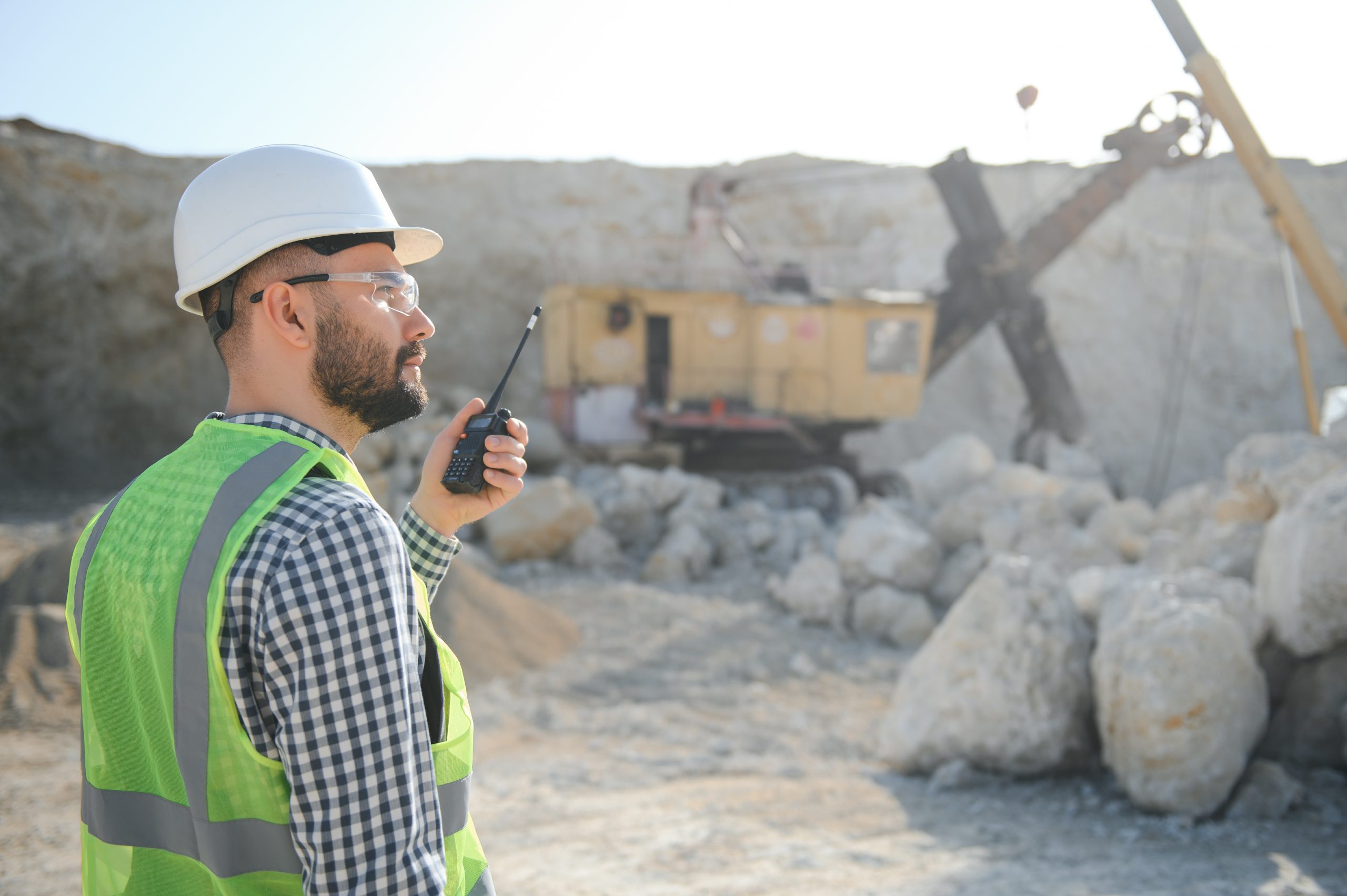
SECURE YOUR EXCAVATION SITE WITH CUSTOM MINING COMMUNICATION SOLUTIONS!
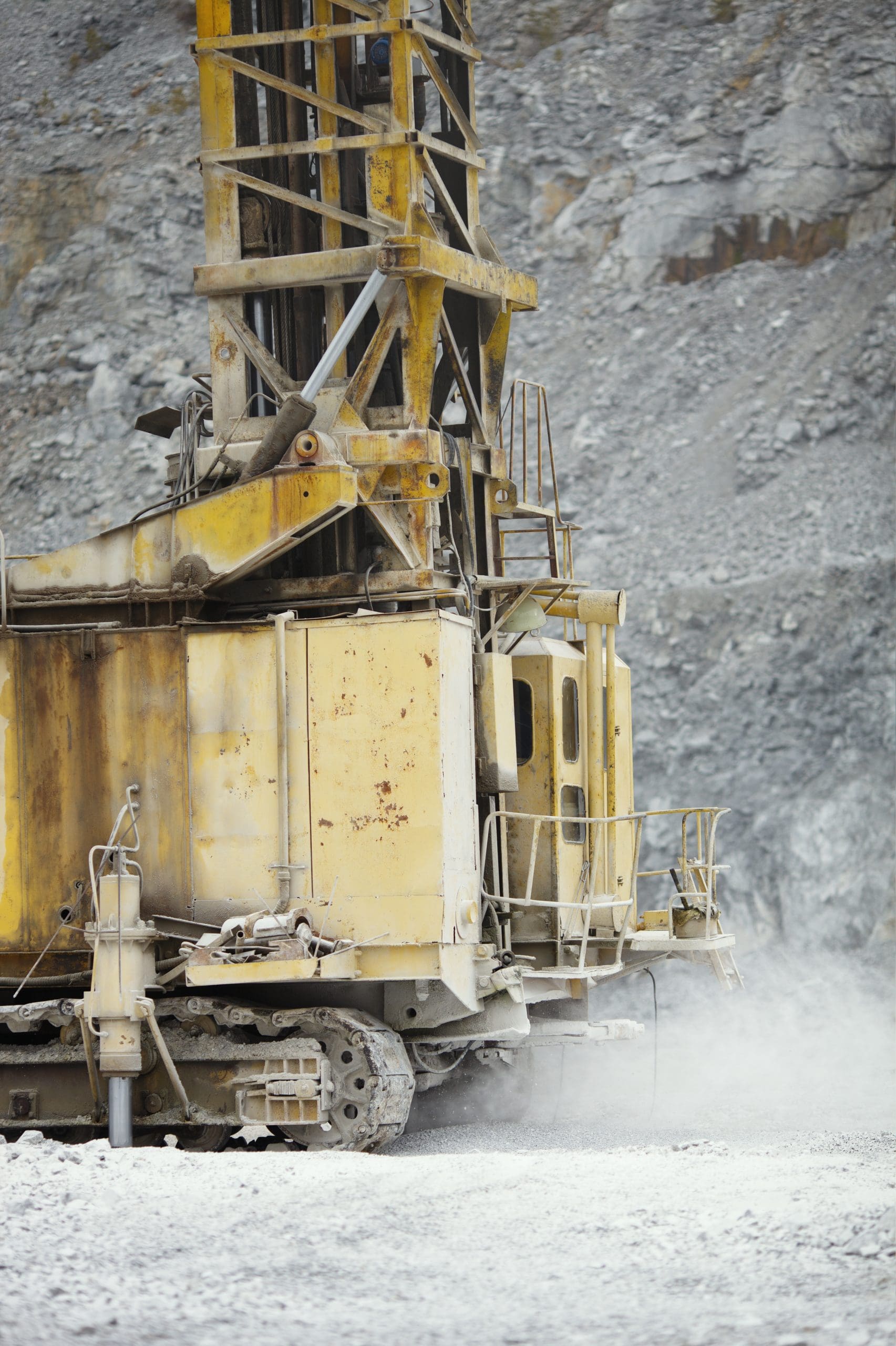
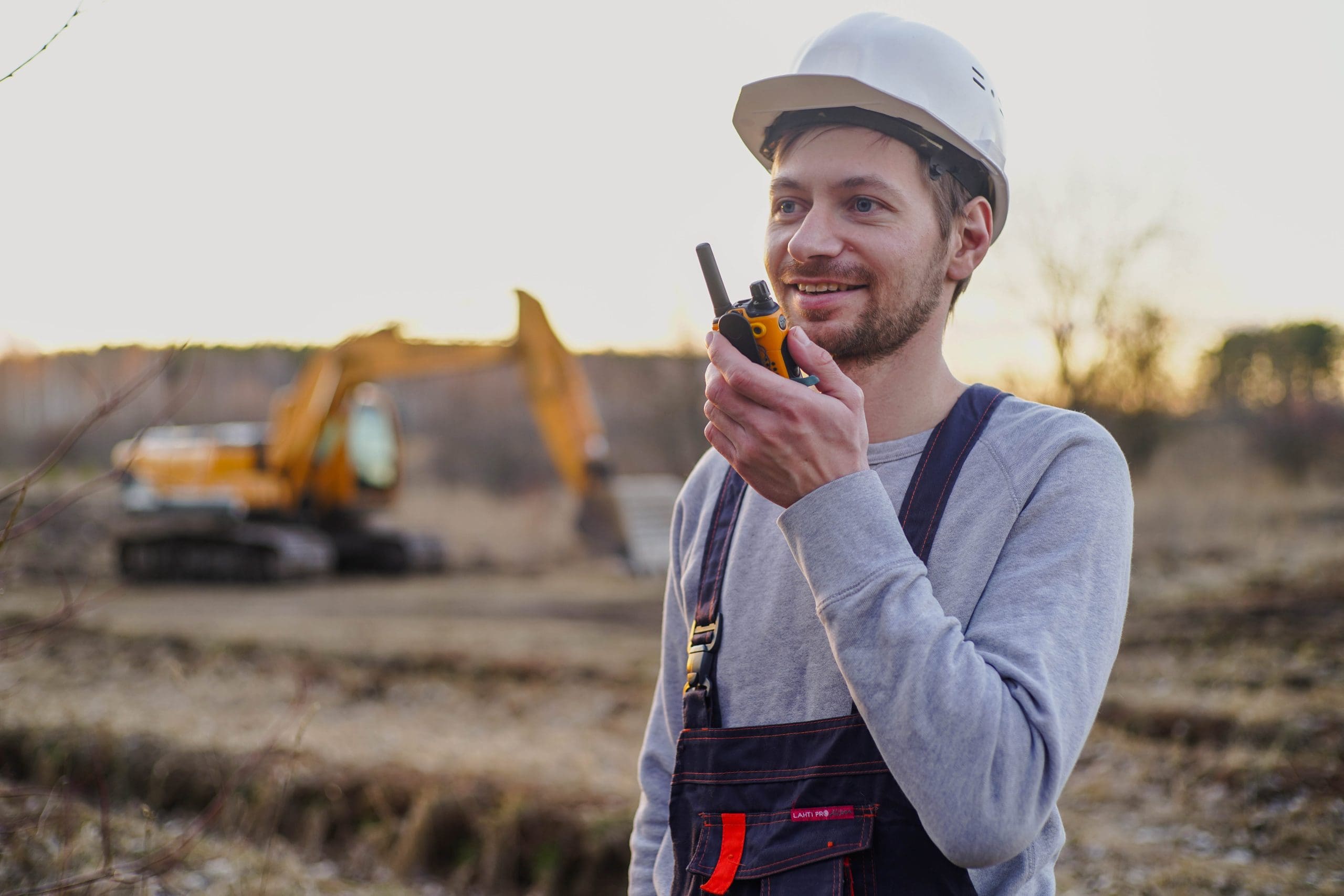
The Core of Underground Communication Systems
Managing communications in a mining environment presents intense physical, atmospheric, and geographic challenges. Standard consumer electronics and light-duty commercial devices routinely fail when exposed to the harsh realities of active excavation sites. To maintain high operational yields and adhere to strict federal safety protocols, your underground communication systems must overcome several critical realities:
-
Massive Geological Interference: Thousands of tons of solid rock, ore, and earthen walls naturally absorb and block standard radio frequencies (RF), creating severe communication blind spots below the surface.
-
Volatile Atmospheric Conditions: Deep extraction sites often contain pockets of combustible dust, methane, and other flammable gases. Communication hardware must be engineered to prevent any electrical sparking that could trigger a catastrophic ignition.
-
Extreme Acoustic Interference: The continuous mechanical roar of rock crushers, ventilation fans, and heavy transport trucks requires hardware equipped with industrial-grade active noise-cancellation to isolate human vocals.
Why Rugged Mining Radios Outperform Cell Phones
Relying on mobile phones for mining operations introduces severe vulnerabilities. Cellular coverage simply does not exist below ground, and standard smart devices lack the durability needed to survive extreme dust and moisture. Conversely, professional rugged mining radios operate on dedicated frequencies, delivering instantaneous push-to-talk connectivity that bypasses commercial cellular grids. Furthermore, commercial mining devices feature tactile, oversized buttons designed for quick use with heavy work gloves in low-light environments.
5 Engineering Standards for Mining Two-Way Radios
When selecting equipment for excavation environments, Teltra focuses on specific engineering metrics that guarantee reliability and longevity in the harshest conditions. We prioritize the following five technical standards for mining deployments:
| Engineering Standard | Operational Benefit | Ideal Mining Application |
| 1. Intrinsically Safe (UL913/MSHA) | Prevents electrical sparking and thermal runaway in volatile atmospheres. | Coal mining, deep-shaft extraction, and fuel loading zones. |
| 2. Active Noise Suppression | Filters out heavy engine roar and ventilation noise for crystal-clear voice clarity. | Drill operators, crusher technicians, and transport drivers. |
| 3. IP68 Submersibility & Dust-Proofing | Completely blocks fine rock dust ingress and survives full water submersion. | Wet-shaft environments, slurry pumping, and surface excavation. |
| 4. Extended Battery Chemistry | Delivers 16 to 24 hours of continuous power on a single charge. | Multi-shift continuous operations and emergency entrapment scenarios. |
| 5. Integrated Safety Telematics | Automatically triggers structural alerts via Man-Down sensors and Lone Worker timers. | Isolated shaft inspectors and explosive rigging teams. |
Custom Network Infrastructure Engineered by Teltra
Teltra provides comprehensive engineering support to optimize your mining two-way radios. We do not believe in unconfigured, out-of-the-box hardware. Our team designs network architectures that fit the precise geological layout of your extraction sites.
Leaky Feeder and Distributed Antenna Systems (DAS)
For deep subterranean mines spanning multiple horizontal tunnels and vertical shafts, standard point-to-point radio signals degrade instantly. Teltra solves this by erecting and programming localized repeaters and radiating cable systems (often referred to as leaky feeder systems). Installed along the ceiling of the tunnels, these cables act as one continuous, elongated antenna, capturing and re-broadcasting your signal to ensure total coverage from the surface command center to the deepest extraction point.
Regulatory Frequency Coordination
Operating high-power commercial radios at an excavation site requires strict adherence to federal communication laws. Teltra manages the entire
Push-to-Talk over Cellular (PoC) for Surface Logistics
If your mining operations include coordinating aggregate transfer from the processing plant to distant rail yards and distribution centers, we deploy hybrid Push-to-Talk over Cellular (PoC) networks. This architecture allows surface dispatchers to communicate securely with long-haul truck drivers hundreds of miles away using the exact same radio interface utilized in the site office.
Mining Two-Way Radios: Frequently Asked Questions
Why choose mining two-way radios over cell phones for excavation sites?
Mobile phones lack the required intrinsically safe electrical certifications, easily lose coverage below ground, and cannot withstand the severe physical abuse of an active mine. Professional mining two-way radios deliver immediate, dedicated push-to-talk connectivity, feature heavy-duty noise reduction, and operate on private networks optimized for total subterranean coverage.
How do underground communication systems penetrate solid rock?
Solid rock and dense earthen walls naturally block radio waves. Teltra bypasses these structural barriers by engineering localized digital repeaters and leaky feeder systems directly into the tunnel infrastructure. This equipment acts as an internal network, routing signals around physical obstructions to ensure continuous on-site coverage.
Can rugged mining radios protect isolated crew members?
Yes. Commercial-grade rugged mining radios can be programmed with digital safety telematics. Features like "Lone Worker" require crew members to periodically check in, while "Man-Down" gyroscopic sensors automatically transmit an emergency alarm to the surface if the radio detects that a worker has fallen and remains motionless.

Ready to talk?
Contact Teltra today to discuss your site's hardware needs and learn more about the technical, environmental, and regulatory compliance requirements for your next industrial wireless communication deployment.