
Oil and Gas Two-Way Radios
Reliable Radios for Facility Safety
In the petroleum, oil, and gas sectors, absolute precision and rigorous safety protocols form the baseline of daily operations. From offshore drilling platforms to sprawling onshore processing refineries, coordinating personnel in volatile atmospheres demands a highly specialized, fail-proof network. Implementing professional oil and gas two-way radios ensures your facility managers, extraction engineers, pipeline inspectors, and emergency response teams remain continuously connected without introducing ignition risks.
At Teltra, we engineer, deploy, and support robust wireless infrastructure designed explicitly for the petrochemical industry. From integrating wide-area repeater networks for remote pipeline sectors to establishing hyper-secure localized coverage inside steel processing plants, we provide the underlying framework that eliminates dead zones while maintaining strict regulatory compliance.
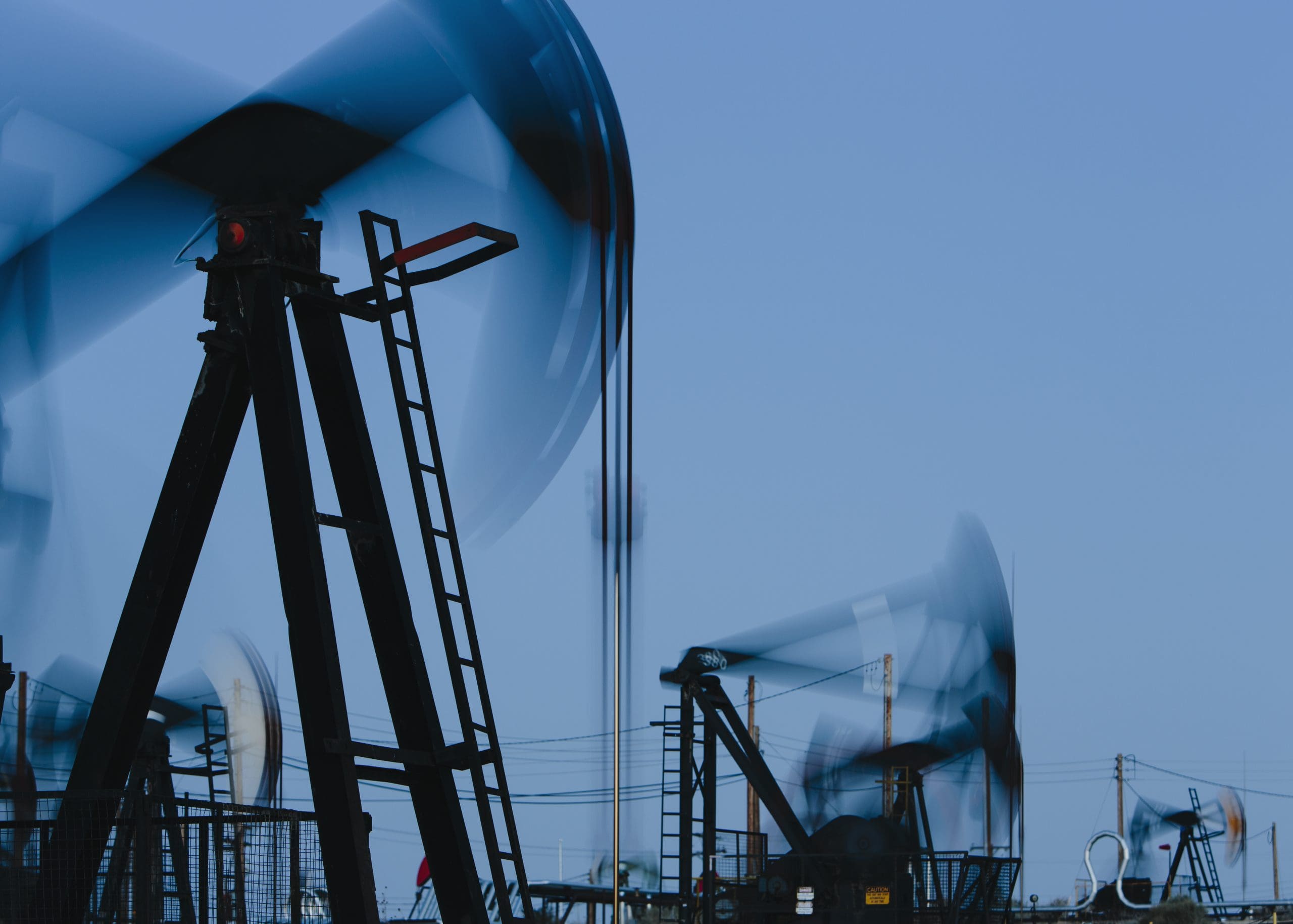
PROTECT YOUR REFINERY WITH CUSTOM OIL AND GAS COMMUNICATION SOLUTIONS!
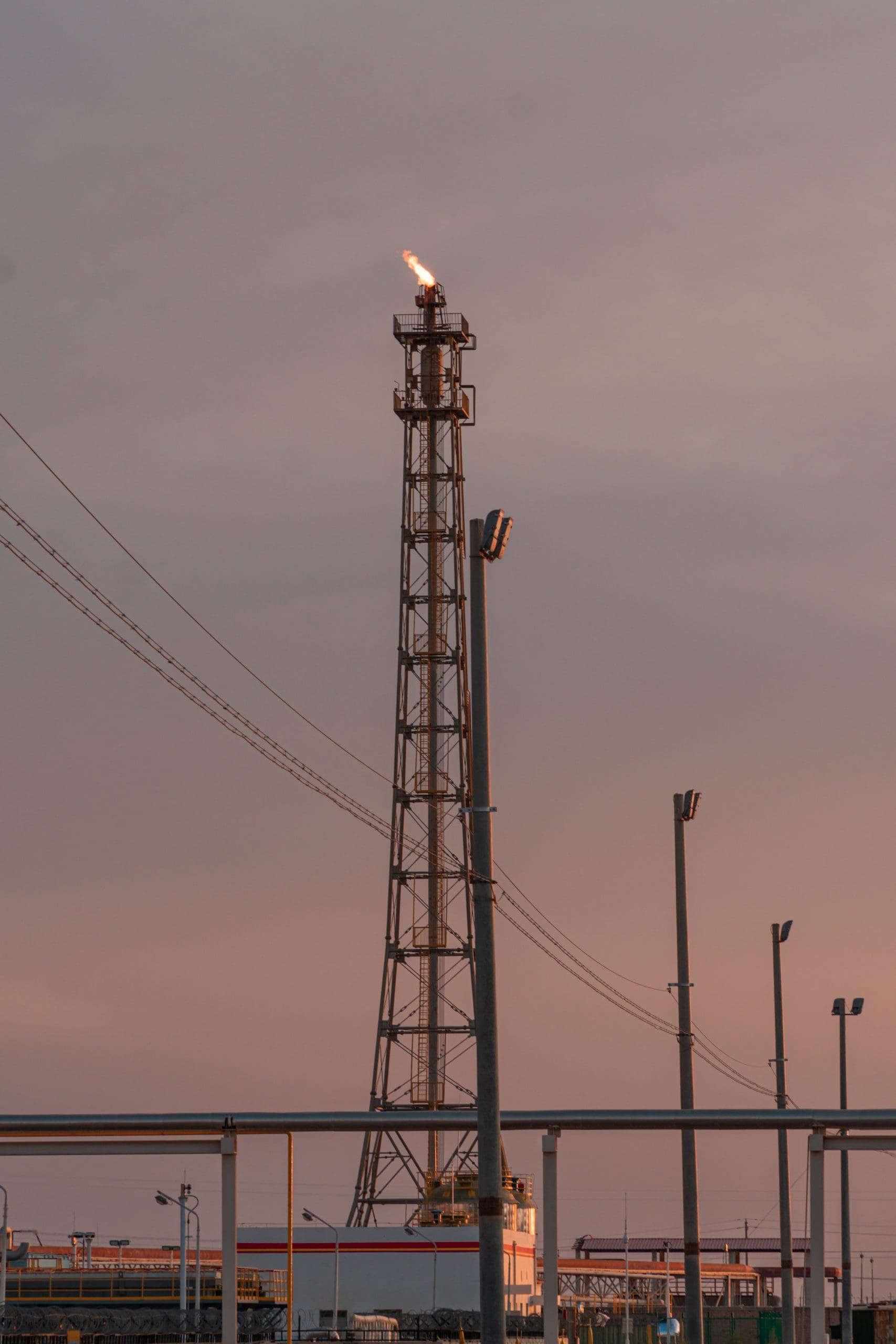
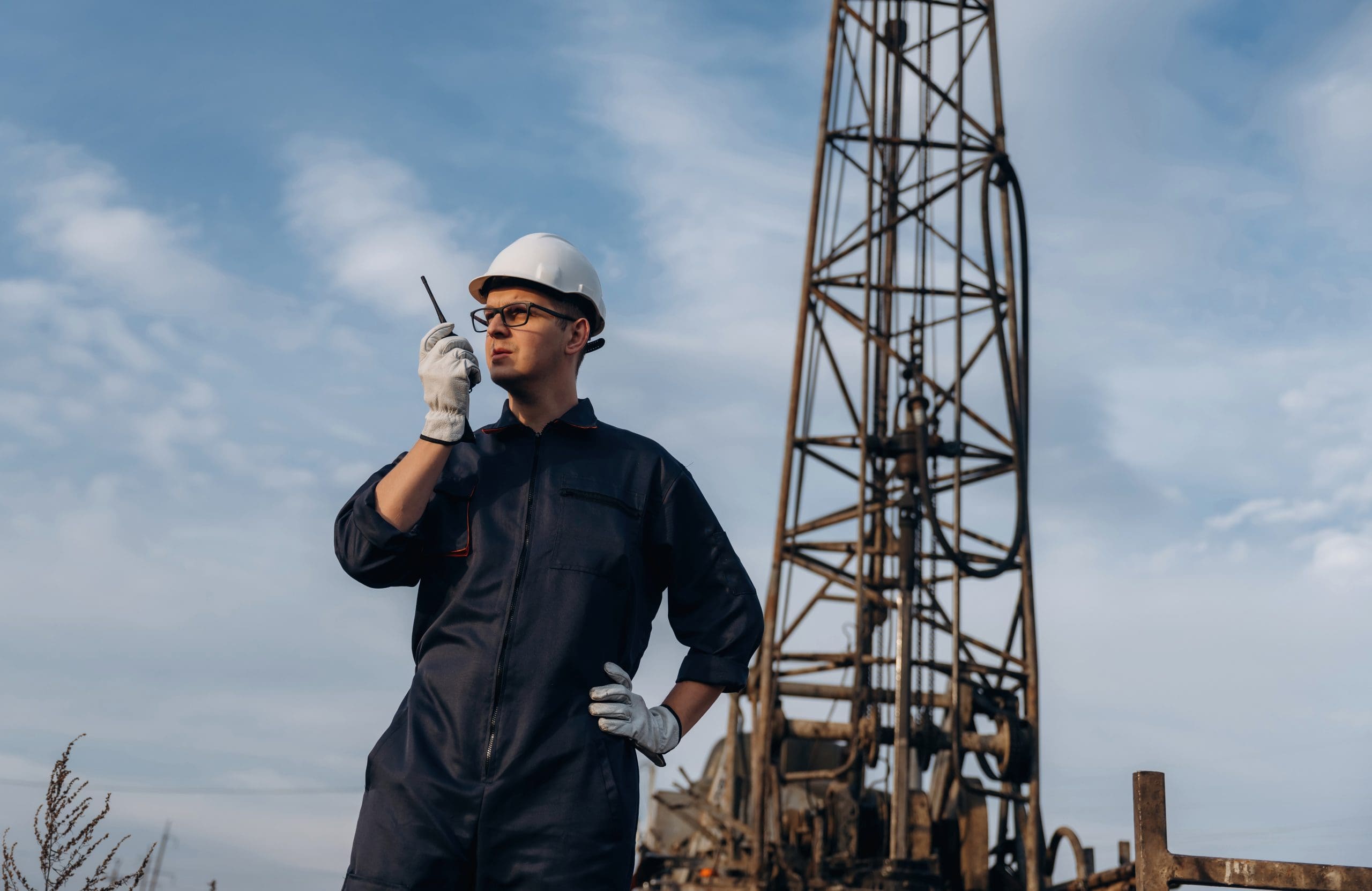
The Critical Need for Intrinsically Safe Communication Systems
Operating commercial technology in environments containing flammable gases, combustible dust, or ignitable fibers presents a severe physical hazard. Standard consumer electronics, such as mobile phones or uncertified commercial radios, can generate micro-sparks or thermal heat capable of triggering catastrophic atmospheric ignitions.
To protect your personnel and infrastructure, your facility requires certified intrinsically safe communication systems. These networks utilize specialized hardware engineered to limit electrical and thermal energy to levels well below what is required to ignite a specific hazardous atmospheric mixture.
Overcoming Challenges in Refinery and Pipeline Operations
Beyond explosion risks, petrochemical environments impose immense logistical and environmental challenges that standard communication networks simply cannot survive:
-
Massive Structural Interference: Refineries are dense labyrinths of heavy steel pipes, concrete containment vessels, and metal storage tanks. These materials naturally block and reflect standard radio frequencies (RF), creating severe communication blind spots.
-
Extreme Acoustic Interference: The constant mechanical roar of drilling rigs, heavy compressors, and high-pressure valves requires communication hardware equipped with aggressive, industrial-grade active noise-cancellation to isolate human vocals.
-
Harsh Environmental Exposure: Equipment deployed on offshore rigs or exposed pipeline routes must withstand highly corrosive saltwater environments, extreme temperature fluctuations, and heavy chemical exposure without failing.
Custom Network Infrastructure Engineered by Teltra
We do not believe in off-the-shelf, unconfigured solutions for the petrochemical industry. Every facility presents unique topological and safety challenges. Teltra provides comprehensive engineering support to optimize your hazardous environment radios and overarching network.
Distributed Antenna Systems (DAS) for Steel Structures
For processing plants filled with thick concrete and dense steel, traditional radio-to-radio signals will rapidly degrade. Teltra remedies this by installing and configuring localized repeaters and Distributed Antenna Systems (DAS). By strategically placing antennas throughout the facility, we bypass physical signal blockers, ensuring that a transmission from the subterranean pump room reaches the central control tower instantly.
Wide-Area Pipeline Coverage
If your operations manage miles of isolated pipeline networks, we deploy high-power digital repeaters and hybrid managed data networks. This architecture catches and amplifies your signal across vast, remote geographic footprints, allowing centralized dispatchers to communicate clearly with isolated inspection crews.
Regulatory Licensing and Coordination
Operating high-power transmission equipment requires lawful alignment with federal communications frameworks. Teltra handles the complete
5 Core Engineering Standards for Hazardous Environment Radios
When architecting an enterprise communications blueprint for the oil and gas industry, Teltra focuses on core engineering metrics that guarantee compliance and longevity. We prioritize the following five technical standards:
| Engineering Standard | Operational Benefit | Ideal Petrochemical Application |
| 1. UL913 / ATEX Certification | Prevents electrical sparking and thermal runaway in volatile atmospheres. | Drilling platforms, chemical processing, and fuel loading zones. |
| 2. Advanced Active Noise Suppression | Filters out heavy compressor and engine roar for crystal-clear voice clarity. | Rig operators, pump station technicians, and pipeline welders. |
| 3. IP68 Ingress Protection | Completely blocks fine dust, chemical splashes, and survives full water submersion. | Offshore rig operations, maritime logistics, and excavation. |
| 4. Integrated Safety Telematics | Automatically triggers structural alerts via Man-Down tilt sensors and Lone Worker timers. | Isolated pipeline inspectors and remote maintenance crews. |
| 5. High-Capacity Battery Chemistry | Delivers 16 to 24 hours of intrinsically safe power on a single charge. | Multi-shift continuous operations and emergency turnaround events. |
Advanced Safety Telematics and Emergency Integration
A structured wireless network is a mandatory element of your site-specific incident response plan. Teltra integrates specialized digital safety protocols into your oil and gas two-way radios to protect isolated or vulnerable workers:
-
Lone Worker Monitoring: Automated digital check-in prompts ensure that technicians working in remote sectors remain responsive. Failure to acknowledge the prompt triggers a facility-wide alert.
-
Man-Down Telematics: Internal gyroscopic sensors track the physical angle and motion of the device. If a worker is injured and falls, the radio automatically broadcasts an emergency distress signal with location coordinates.
-
Priority Interrupt Dispatching: In the event of a facility evacuation or pressure emergency, control room supervisors can instantly override all lower-priority radio traffic to broadcast critical, site-wide commands.
Oil and Gas Two-Way Radios: Frequently Asked Questions
Why are mobile phones prohibited in many oil and gas facilities?
Mobile phones lack the required "intrinsically safe" (IS) electrical certifications, meaning they can easily generate microscopic internal sparks or thermal heat capable of igniting flammable airborne gases. Professional oil and gas two-way radios are strictly engineered and certified to prevent these ignition risks while providing much faster, push-to-talk connectivity.
What does "Intrinsically Safe" mean for communication equipment?
Intrinsically safe (IS) is a highly regulated protection standard (such as UL913) for electrical equipment used in hazardous locations. Intrinsically safe communication systems are designed to restrict the electrical and thermal energy available in the circuitry to levels that cannot ignite a specific explosive atmosphere, even under fault conditions.
How do modern communication systems penetrate heavy steel processing plants?
Thick steel tanks and dense pipe networks naturally block radio waves. Teltra bypasses these structural barriers by deploying digital repeaters and Distributed Antenna Systems (DAS). This equipment acts as an internal network, catching radio signals and routing them around physical obstructions to ensure 100% facility coverage.
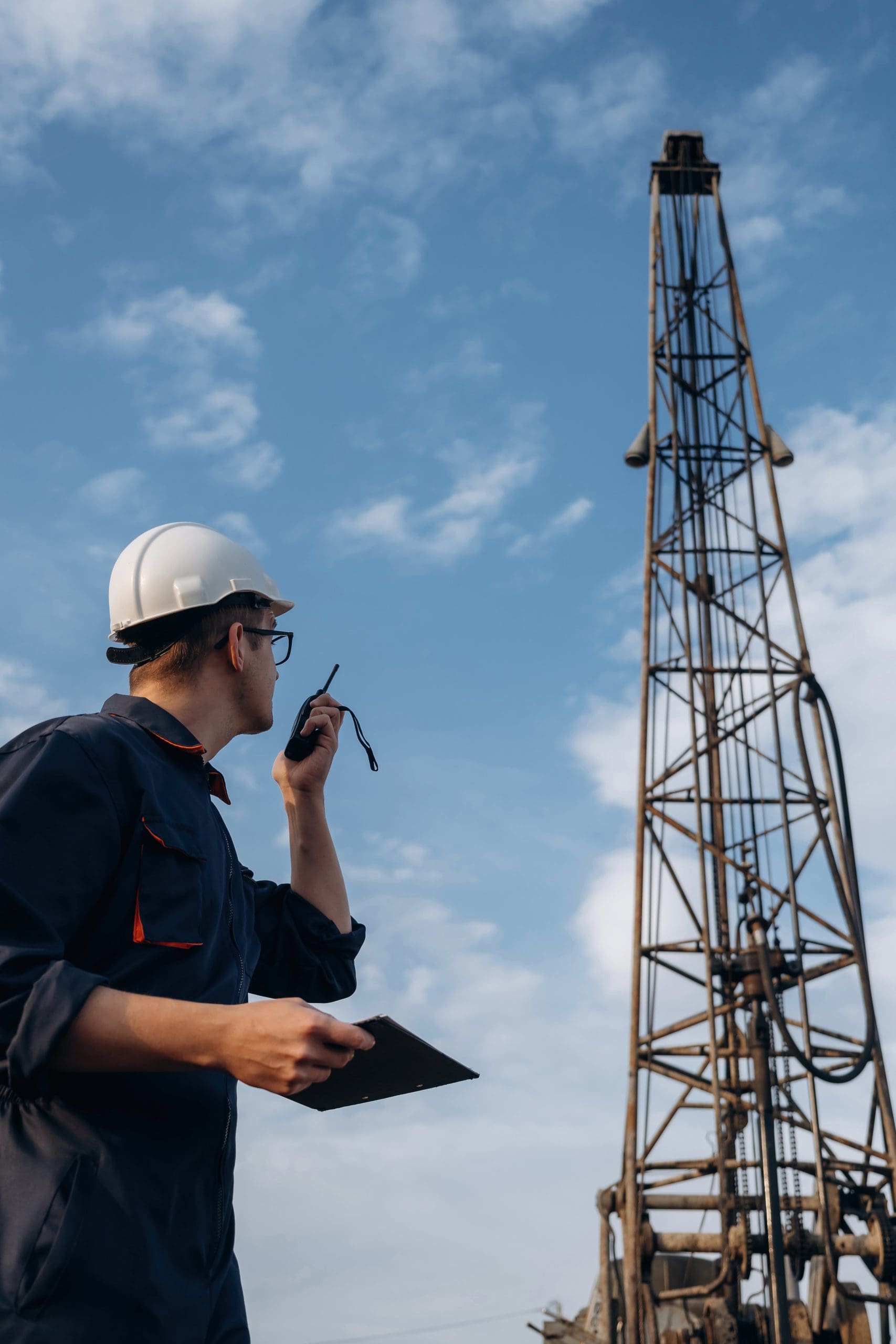


Ready to talk?
Contact Teltra today to discuss your facility hardware needs and learn more about the strict environmental, intrinsically safe, and regulatory compliance requirements for your next petrochemical deployment.